


Slip and fall accidents happen just about anywhere: a grocery store, a parking lot, an apartment complex, a restaurant, an office building. Injuries range from minor bruises to broken bones, head trauma, or chronic pain that lingers for years. Most people spend those first weeks focused entirely on medical treatment and recovery, not legal deadlines. That’s exactly when the statute of limitations for slip and fall quietly starts working against them.
Understanding this deadline isn’t optional. Miss it, and you may lose the right to recover damages entirely, no matter how strong your case was.
What Is the Statute of Limitations, and Why Does It Exist?
A statute of limitations is the legal time limit for filing a lawsuit. Every state sets its own limits for personal injury cases, and California is no exception.
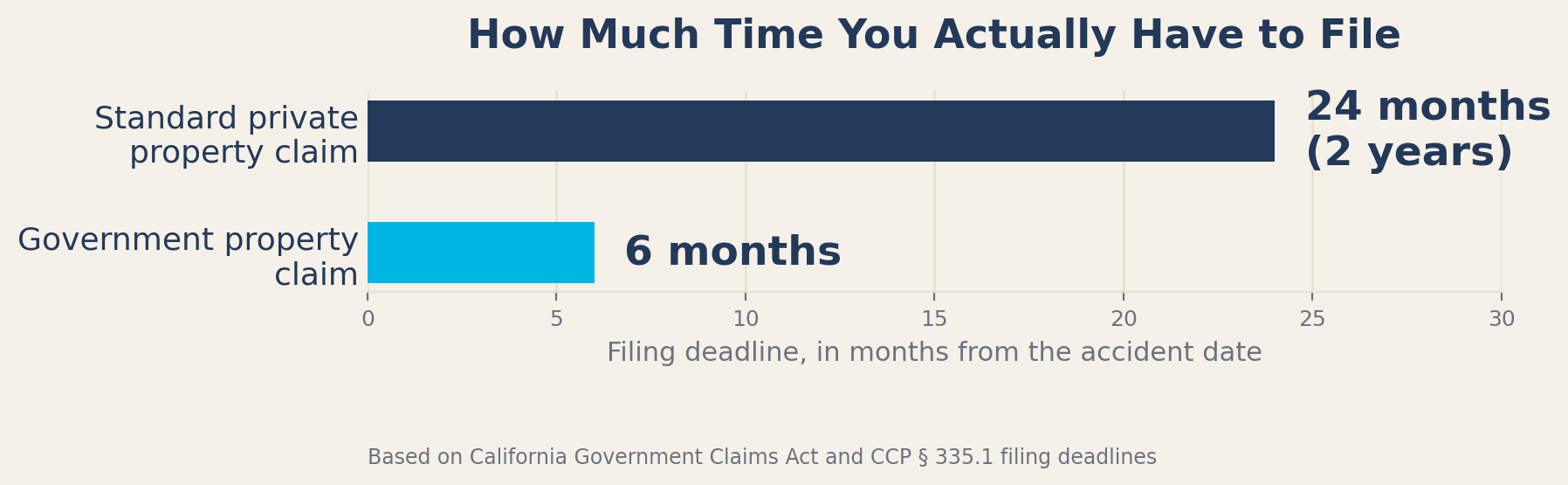
Under California law, most slip and fall claims must be filed within two years of the accident. Miss that date, and the court can dismiss your case outright. That’s true regardless of how clear the property owner’s fault might be.
That deadline puts real money on the line. A victim who waits too long can lose the ability to recover:
- Medical bills.
- Lost wages.
- Pain and suffering.
- Rehabilitation costs.
- Future medical treatment.
This is exactly why speaking with a premises liability lawyer immediately after a fall matters so much. Those injured on unsafe property can learn more by visiting the personal injury section of the Kohan & Bablove website.
When Does the Clock Actually Start Ticking?
In most California slip and fall cases, the statute of limitations begins on the date of the accident itself. It does not begin on the date you first see a lawyer.
If someone slipped in a grocery store on June 1, 2026, they would typically have until June 1, 2028, to file a lawsuit. Two years can feel like a long runway. Building a strong case still takes real time, and evidence doesn’t wait around for you to be ready.
Security footage gets deleted on a schedule, often within 30 to 90 days. Witnesses forget details. Property owners fix the exact hazard that caused the fall, sometimes within hours. That’s why prompt action matters more than the calendar suggests.
Not sure how much time you have left on your claim? Contact Kohan & Bablove today for a free consultation, and get a clear answer about your specific deadline.
Why Falls Are a Bigger Problem Than Most People Realize
Slip and fall cases sometimes get treated as minor compared to car accidents or truck crashes. The real numbers tell a different story, especially for older adults.
According to the Centers for Disease Control and Prevention, falls are the leading cause of injury-related death among adults 65 and older. That death rate has been rising for years. In 2024 alone, more than 43,000 older adults died from preventable falls. In 2023, over 3.85 million people were treated in emergency departments for fall-related injuries. Falls are also the leading cause of traumatic brain injuries in this age group.
| Fall Injury Data (CDC) | Figure |
| Older adult deaths from falls, 2024 | Over 43,000 |
| ER visits for fall injuries, 2023 | Over 3.85 million |
| Rank as cause of injury death (65+) | Leading cause |
| 10-year change in fall-related deaths | Up 51% |
Those numbers matter for a legal case, not just a public health report. They explain why insurance companies fight so hard on slip and fall settlement amounts. The injuries at stake are often far more serious than a bruise that heals in a week.
Deadlines at a Glance: Standard Rule vs. Common Exceptions
Not every slip and fall claim follows the standard two-year window. A few situations change the math entirely.
| Situation | Filing Deadline | Key Detail |
| Standard slip and fall claim | 2 years from the accident date | Applies to most private property cases |
| Claim against a government agency | 6 months from the accident date | Covers public sidewalks, parks, schools, city buildings |
| Injured minor (under 18) | Often extended until the child turns 18 | Exceptions apply; consult an attorney |
| Delayed discovery of injury | May start from the date the injury was discovered | Rare, and often disputed by insurers |
Claims Against Government Agencies
Different rules apply if the fall happened on government property. That includes a public park, a city building, a government office, a public sidewalk, or a public school.
In California, victims pursuing a claim against a government agency must file a government claim within six months of the accident. Miss that window, and you may lose the right to sue entirely. Government claims move on a much tighter clock than private claims. Anyone hurt on public property should talk to a lawyer right away.
Injured Minors
The statute of limitations may pause if the injured person is under 18. In many cases, the filing deadline doesn’t start until the child turns 18. Some exceptions still apply, so families should confirm the details with an attorney rather than assume.
Delayed Discovery of Injuries
Not every injury shows up right away. In rare cases, the statute of limitations may start on the date the injury is discovered. That’s different from the date of the fall itself. These cases tend to be complicated and are often challenged by insurers, so they need careful legal handling.
Why Filing Early Actually Protects Your Case
Too many people delay talking to an attorney. Some assume their injuries will heal on their own. Others assume the insurance company will simply do the right thing. Neither assumption tends to hold up.
Filing early helps preserve the evidence that makes or breaks a premises liability case, including:
- Surveillance video.
- Witness statements.
- Accident reports.
- Medical records.
- Photos of the dangerous condition.
- Maintenance records.
An attorney’s investigation can make or break a claim. The sooner it starts, the more evidence is still around to find.
What Happens If You Miss the Deadline?
Missing the statute of limitations carries serious, often permanent consequences.
If the deadline passes:
- The court can throw out the case entirely.
- Insurance companies lose almost all incentive to negotiate.
- The victim can lose the right to compensation for good.
- The victim may still be responsible for their own medical and financial costs.
Even a genuinely strong case can fail for one reason alone: it wasn’t filed on time. That’s why waiting until the last moment is one of the costliest mistakes a slip and fall victim can make.
Common Causes of Slip and Fall Accidents
Most slip and fall accidents happen for one common reason. A property owner failed to take reasonable steps to keep their property safe.
Common causes include:
- Wet floors.
- Broken stairs.
- Uneven sidewalks.
- Loose carpeting.
- Poor lighting.
- Spilled liquids.
- Cluttered walkways.
- Missing warning signs.
Property owners are legally required to maintain reasonably safe conditions for visitors. When they fail to fix a hazard or warn people about it, that’s a problem. They can be held liable for the injuries that follow. Individuals hurt by unsafe conditions can learn more through the premises liability resources on the Kohan & Bablove website.
What Compensation Can Victims Recover?
Slip and fall injuries can create real physical, emotional, and financial strain. Depending on the case, a victim may be entitled to damages for:
- Emergency medical treatment.
- Hospital bills.
- Physical therapy.
- Prescription medications.
- Lost income.
- Reduced earning ability.
- Pain and suffering.
- Emotional distress.
A serious fall can mean months of recovery and, in some cases, permanent health complications that follow a victim for life.
How a Premises Liability Attorney Can Help
Slip and fall cases are rarely as simple as “I fell, therefore I win.” Insurance companies routinely push back with familiar arguments.
Insurers may claim:
- The victim was careless.
- The dangerous condition was obvious.
- The injuries aren’t as serious as claimed.
- The property owner had no idea the hazard existed.
An experienced premises liability lawyer pushes back on each of these by:
- Investigating the accident scene.
- Gathering physical and photographic evidence.
- Interviewing witnesses before memories fade.
- Reviewing medical records in full.
- Negotiating directly with insurance companies.
- Filing the claim well before the deadline arrives.
The right lawyer can be the difference between a denied claim and a fair settlement. Victims dealing with especially serious injuries may also want to review the catastrophic injury resources on the Kohan & Bablove website.
Don't Let the Clock Run Out on Your Claim
The statute of limitations doesn’t pause for grief, recovery, or uncertainty. In California, most slip and fall victims have two years from the date of the accident to file a lawsuit. Government claims, injured minors, and delayed-discovery injuries can all change that timeline, though. Waiting to “see how things go” is one of the most common ways a valid claim quietly turns into a lost one.
If you were hurt in a slip and fall, don’t guess at your deadline. Kohan & Bablove’s legal team will review your accident, explain exactly where your case stands, and start preserving evidence before it disappears.