

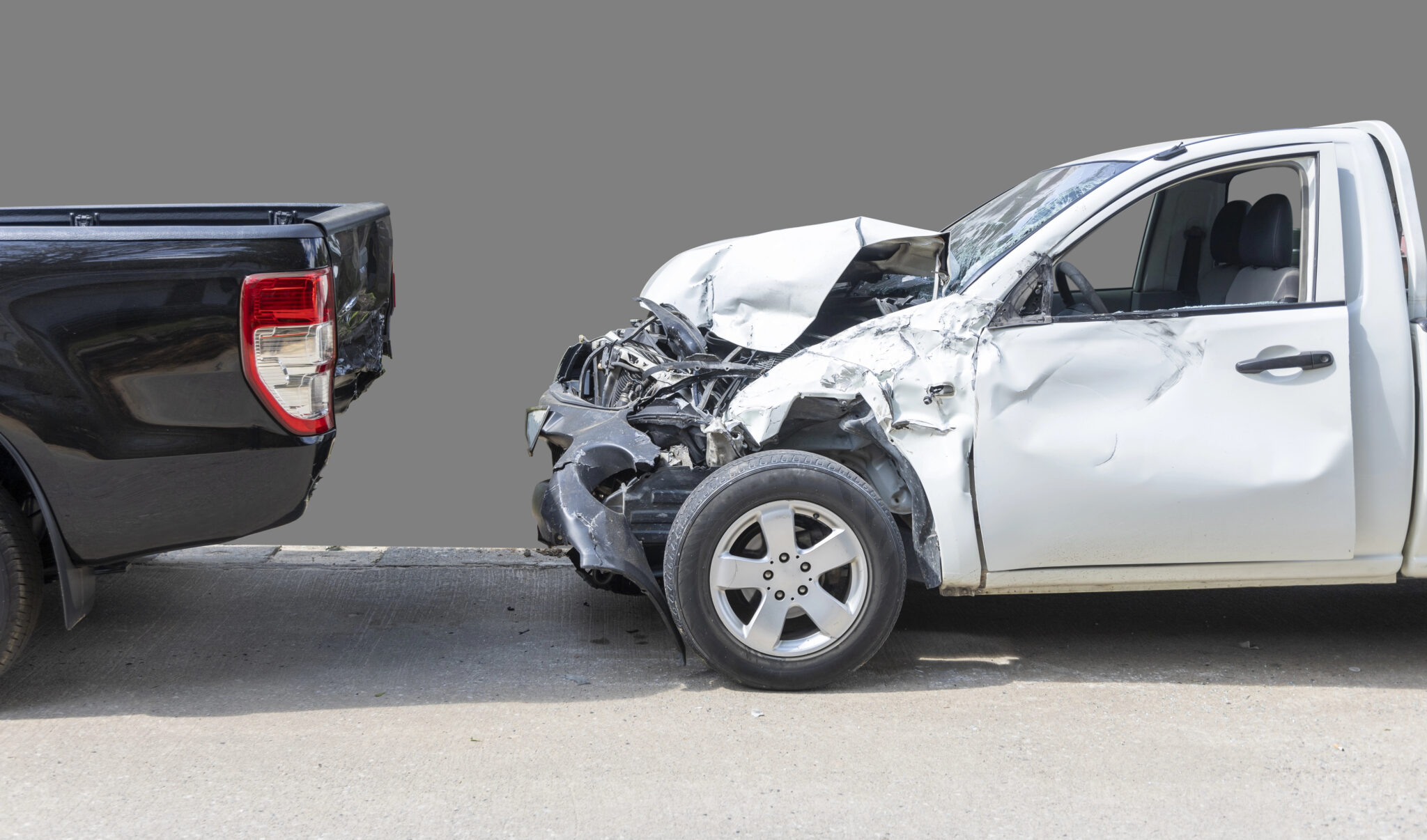
The first 72 hours after a car accident in Orange County are often overwhelming, whether the crash happens on a busy freeway like the I-5 or a local street in Irvine. You’re dealing with the initial shock, potential injuries, and the stress of the immediate aftermath. What you do during this critical window can significantly impact both your health and your ability to secure fair compensation for your damages. It’s a period filled with important decisions—from seeking medical care to reporting the incident—and it’s easy to feel lost.
At Kohan & Bablove Injury Attorneys, we understand the uncertainty you’re facing. We created this guide to provide a clear, calm roadmap. Following these steps will help you protect your well-being, preserve important evidence, and understand your rights, including when it’s time to consult with a personal injury lawyer. Let’s walk through the essential actions to take.
Why the First 72 Hours After a Car Accident in Orange County Define Your Case
The first three days following a car crash are foundational for one simple reason: evidence and credibility are at their peak. During this critical window, vital proof can be lost forever. Witness memories are sharpest, skid marks on a Huntington Beach road can wash away, and crucial surveillance footage from nearby businesses is often recorded over within 72 hours. Delaying documentation means this evidence may vanish.
Equally important is establishing a clear link between the accident and your injuries. Seeking immediate medical attention creates an official record that insurance companies cannot easily dismiss. Adrenaline often masks pain, but a prompt medical evaluation proves your injuries are a direct result of the collision. Insurance adjusters are trained to question delays, arguing that your injuries must not be serious or were caused by something else.
Finally, this is when you will likely hear from the other driver’s insurer. They move quickly, hoping to secure a statement that limits their liability. The actions you take and what you say in these first 72 hours will set the trajectory for your entire car accident claim, defining your ability to achieve a fair recovery.
What to Do at the Accident Scene in the First 72 Hours
In the chaotic moments after a collision, it’s hard to think clearly. However, taking a few specific, deliberate actions at the scene can protect your safety and lay the groundwork for a successful car accident claim. Focus on these four priorities.
Safety and Calling 911 in the First 72 Hours
Your first move should always be to check for injuries and get to a safe location, like the shoulder of the road. Turn on your vehicle’s hazard lights to alert other drivers. Then, call 911 immediately. This is important for two reasons: it dispatches emergency medical responders to the scene and ensures a police officer will arrive to create an official accident report. This report is a critical piece of evidence that documents the initial facts of the incident.
Documenting the Scene: The Power of Your Smartphone
Your phone is your most powerful tool for gathering evidence. If you are able, take photos and videos of everything from multiple angles. Capture the damage to all vehicles involved, license plates, your visible injuries, and the surrounding area. Be sure to include traffic signs, road conditions, and any debris on the street. This visual evidence provides an unbiased record of what happened and is difficult for insurance companies to dispute later.
Exchanging Information (Without Admitting Fault)
Calmly exchange essential information with the other driver. You will need their:
- Full name and contact information
- Driver’s license number
- Insurance company and policy number
- Vehicle make, model, and license plate number
It is vital that you do not apologize or admit fault, even as a polite gesture. Statements like “I’m so sorry” can be misinterpreted as an admission of guilt and used against you. Stick to the facts.
Identifying Witnesses
If anyone stopped to help or saw the accident happen, politely ask for their name and phone number. The perspective of a neutral third party can be incredibly valuable. An independent witness can confirm your version of events and help counteract any inaccurate statements the other driver might make to their insurer. Their testimony provides powerful, unbiased support for your case.
Within 24 Hours: Seeking Medical Attention
Taking the right steps during the first 72 hours after a car accident in Orange County can protect your health and your right to compensation.
After the immediate shock of a car accident subsides, your top priority must be your health. While you may feel you can “walk it off,” seeking a professional medical evaluation within 24 hours is one of the most important steps you can take. This action protects not only your physical well-being but also the foundation of your legal claim.
Why You Must See a Doctor, Even If You Feel Fine (Adrenaline Masking)
In the aftermath of a traumatic event, your body releases a surge of adrenaline. This natural chemical response can effectively mask pain, sometimes for hours or even days. You might feel sore but otherwise okay, while serious underlying issues like whiplash, a concussion, soft tissue damage, or even internal bleeding go unnoticed. A visit to an urgent care clinic, your primary care physician, or an emergency room ensures you receive a proper diagnosis and start treatment before a minor ache becomes a chronic problem.
Creating a Medical Record that Links Injuries to the Accident
When you see a doctor, they create an official, time-stamped record of your physical condition. This documentation is powerful evidence that directly connects your injuries to the car accident. Insurance companies are quick to scrutinize any delays in treatment. If you wait a week or more to see a doctor, an adjuster may argue that your injuries are not severe or were caused by something else entirely. A prompt medical visit eliminates this argument and provides clear proof for your car accident claim.
Following All Medical Advice Diligently
Your recovery journey does not end with a single doctor’s visit. It is crucial to follow all recommended treatment plans. This includes attending every physical therapy session, going to all specialist appointments, and filling your prescriptions. Diligently following medical advice shows you are serious about your recovery. It also creates a continuous record that demonstrates the full extent of your injuries and the costs associated with them, which is essential for calculating the fair injury compensation you deserve.
Within 48-72 Hours: Reporting and Legal Protection
Taking the right steps during the first 72 hours after a car accident in Orange County can protect your health and your right to compensation.
With your immediate health needs addressed, the next two days are about official reporting and protecting your legal rights. The steps you take now will create a formal record of the accident and shield you from common insurance company tactics designed to reduce your claim’s value.
Notifying Your Insurance Company (Facts Only)
Your auto insurance policy requires you to promptly report any accident. When you call, provide only the basic facts: the date, time, and location of the crash, and the information you collected from other parties. Do not offer opinions, speculate on who was at fault, or describe your injuries in detail. Simply state that you were involved in an incident and are seeking medical care. This fulfills your contractual obligation without jeopardizing your position.
The Pitfall of Giving a Recorded Statement to the At-Fault Insurer
The other driver’s insurance adjuster will likely contact you and ask for a recorded statement. You are not required to provide one. These adjusters are highly trained to ask questions that may lead you to unintentionally hurt your own claim. A simple “I’m feeling better today” can be twisted to mean your injuries are not serious. It is best to politely decline to provide a statement until you have had the chance to consult a lawyer.
Filing an SR-1 Form with the California DMV
In California, you must file a Report of Traffic Accident (SR-1) form with the DMV within 10 days if the crash resulted in any injury, death, or more than $1,000 in property damage. This is your personal responsibility, separate from any report filed by law enforcement. Failing to file this form can lead to the suspension of your driver’s license.
Why This Is the Ideal Time to Contact an Attorney
This 72-hour window is the perfect time for working with an attorney. A personal injury lawyer can immediately take over all communications with insurance companies, ensuring you don’t fall into common traps. They will help you accurately complete the SR-1 form, preserve critical evidence, and begin building your case. By handling these complex tasks, an attorney allows you to focus completely on your recovery, confident that your rights are being protected by a professional advocate.
How Kohan & Bablove Protects You from Day One
Navigating the aftermath of an Orange County car accident alone is a daunting task. Insurance companies have their own agenda, and critical deadlines can be easily missed. At Kohan & Bablove Injury Attorneys, our support begins the moment you contact us. We step in immediately to lift the legal burden from your shoulders, allowing you to focus entirely on your recovery while we protect your rights.
We Handle All Insurance Communications
From the first call, insurance adjusters are working to minimize your claim. Our team immediately takes over all communication with every insurance company involved. This stops the stressful, persistent phone calls and prevents you from falling into common traps, like giving a recorded statement that could be used against you. We manage the paperwork and the negotiations so you don’t have to say a word.
Preserving Critical Evidence
Time is of the essence when it comes to evidence. Surveillance footage from businesses is often erased, witness memories fade, and physical proof can disappear. We act quickly to send legal preservation letters, track down witnesses, and gather all necessary police and medical reports. By meticulously building this foundation, we construct a robust case designed to secure the maximum injury compensation you are entitled to.
Ok
Schedule Your Free Consultation Today
When you reach out to an Orange County personal injury lawyer, you can expect the care, experience, and professionalism you need to get compensated and have some peace of mind for your case. When you’re ready for your free consultation, reach out for help by calling 949.287.8248 or by completing the online contact form below. You don’t have to face this uncertainty alone. We invite you to schedule a free, no-obligation consultation to discuss your case, understand your rights, and learn how we can help. Remember, we work on a contingency fee basis, meaning you pay no attorney’s fees unless we successfully recover compensation for you. Contact us today to get the answers and support you deserve.
Kohan & Bablove Injury Attorneys was founded by three former defense attorneys who were tired of helping insurance companies and big corporations save money by paying the least amount possible to resolve claims. We wanted to open a law firm where we could use our years of experience handling the toughest and largest claims to benefit the individual. Each of us were tired of being cogs in the wheel that focused on paying the least amount possible to injured persons regardless of injuries or the validity of their claims.
