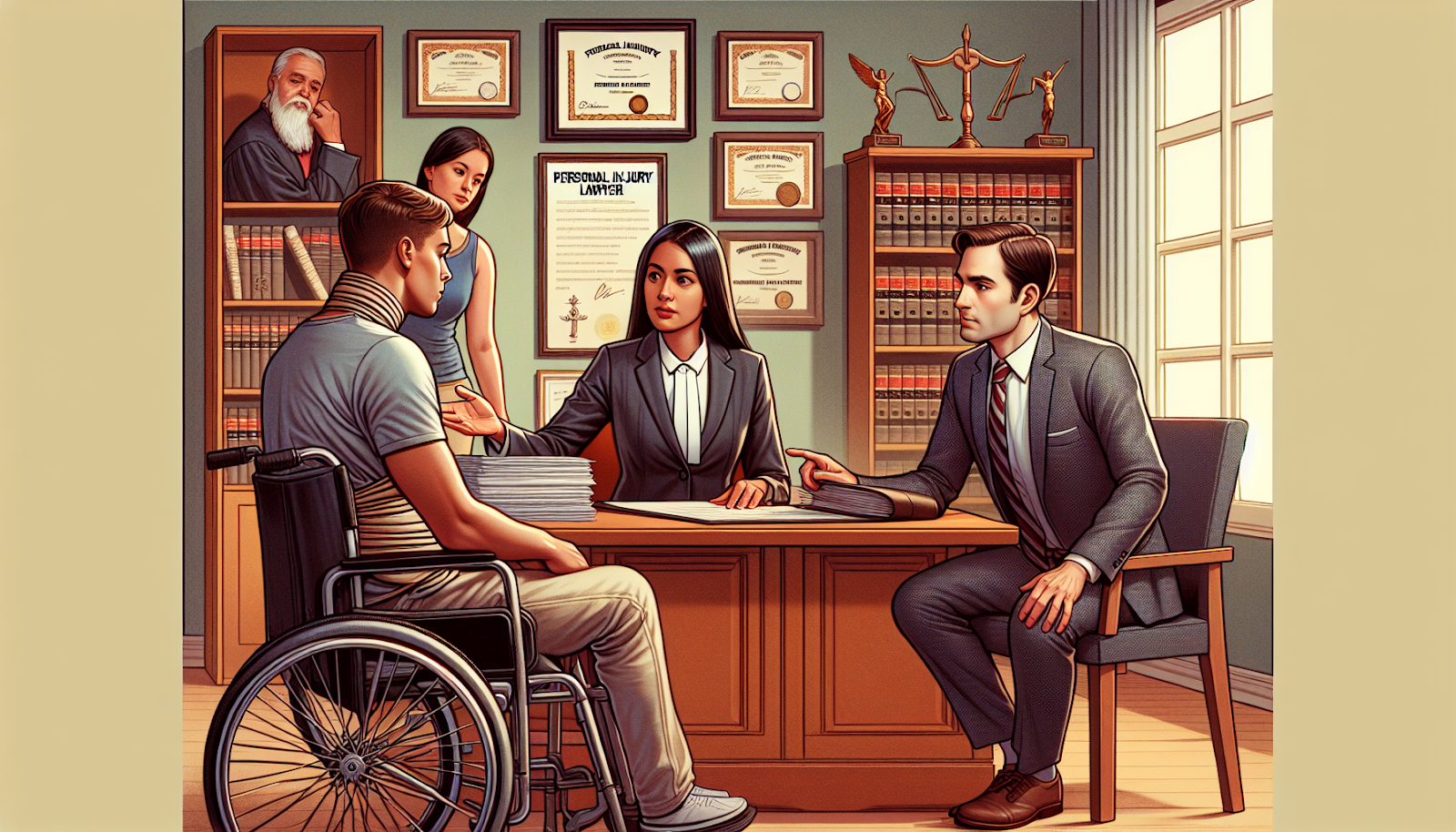
Kohan & Bablove Injury Attorneys was founded by three former defense attorneys who were tired of helping insurance companies and big corporations save money by paying the least amount possible to resolve claims. We wanted to open a law firm where we could use our years of experience handling the toughest and largest claims to benefit the individual. Each of us were tired of being cogs in the wheel that focused on paying the least amount possible to injured persons regardless of injuries or the validity of their claims.
Head-on collisions are among the most devastating types of car accidents. When two vehicles traveling in opposite directions collide, the resulting force often leads to serious injuries or fatalities. Understanding the causes, liabilities, and options for recovery after a head-on crash is essential for protecting your rights. Kohan & Bablove Injury Attorneys can provide the guidance you need to pursue fair compensation for your injuries and losses.
What Are Head-On Collisions?
A head-on collision occurs when two vehicles collide front-first, typically while traveling in opposite directions. These accidents frequently occur due to errors like:
Distracted Driving: Drivers texting, eating, or not paying attention to the road.
Wrong-Way Driving: Entering the wrong side of the road or highway.
Fatigue: Falling asleep behind the wheel.
Speeding or Reckless Driving: High speeds reduce reaction times, increasing the risk of head-on crashes.
Head-on collisions are extremely dangerous because the combined force of the impact often amplifies the severity of injuries for both you and the other driver.
Common Injuries in Head-On Collisions
The nature of head-on collisions often results in severe injuries, including:
Traumatic Brain Injuries (TBI): Caused by a sudden jolt or impact.
Broken Bones: Fractures in arms, legs, or ribs are common injuries.
Internal Organ Damage: Such injuries can lead to life-threatening conditions.
Chronic Pain: Long-term pain may persist after the initial recovery.
Whiplash and Neck Injuries: Soft tissue damage from the crash.
These injuries can lead to extensive medical bills, lost wages, and significant emotional distress. Victims may experience ongoing challenges that affect their quality of life.
Who Is at Fault in Head-On Collisions?
Fault in head-on collisions can often be traced to one or more drivers. Common causes of fault include distracted driving, impaired driving, or traveling on the wrong side of the road. Evidence such as skid marks, crash debris, and witness statements can help determine liability.
Employers: If a commercial driver caused the collision.
Vehicle Manufacturers: If defects contributed to the crash.
Government Entities: For unsafe road conditions or poor signage.
Comparative negligence laws in California may affect your compensation if you share partial fault for the accident. Kohan & Bablove Injury Attorneys can help you navigate these complexities to build a strong case.
What Compensation Can You Recover?
Victims of head-on collisions can pursue compensation for:
Medical Bills: Including emergency care, surgeries, and rehabilitation.
Lost Wages: If you’re unable to work due to your injuries.
Property Damage: Repairing or replacing your vehicle.
Future Costs: Ongoing treatment or long-term disability expenses.
In wrongful death cases, surviving family members may also recover compensation for funeral expenses and loss of support.
How Can an Attorney Help After a Head-On Collision?
A personal injury attorney from Kohan & Bablove Injury Attorneys can play a vital role in handling the complexities of your case. We’ll gather evidence, review police reports, and work to prove liability in fault head-on collisions. Our team is experienced in negotiating with insurance companies and, if necessary, filing lawsuits to secure maximum compensation.
Steps to Take After a Head-On Crash
After a head-on collision, take the following steps to protect yourself and your claim:
Seek Medical Attention: Even if injuries seem minor, get checked for internal injuries.
Document the Scene: Take photos of the vehicles involved, crash debris, and road conditions.
Exchange Information: Collect contact and insurance details from the other driver.
What is the most common cause of head-on collisions?
Distracted driving and wrong-way driving are leading causes of head-on crashes. Drivers impaired by alcohol or drugs are also frequently at fault.
What happens when two cars collide head-on?
When two cars collide head-on, the force of impact is significantly magnified, often causing severe injuries or fatalities to occupants in both vehicles.
Can I still recover compensation if I’m partially at fault?
Yes. Under California’s comparative negligence law, you can recover compensation even if you share partial fault. Your compensation will be reduced based on your percentage of fault.
What evidence can help prove liability in a head-on collision?
Police reports, crash scene photos, witness statements, and documentation of skid marks or damage to the front ends of vehicles are critical in proving liability.
How long do I have to file a claim after a head-on collision?
In California, you generally have two years to file a personal injury case, but acting sooner can preserve evidence and improve your
case’s success.
Kohan & Bablove Injury Attorneys was founded by three former defense attorneys who were tired of helping insurance companies and big corporations save money by paying the least amount possible to resolve claims. We wanted to open a law firm where we could use our years of experience handling the toughest and largest claims to benefit the individual. Each of us were tired of being cogs in the wheel that focused on paying the least amount possible to injured persons regardless of injuries or the validity of their claims.
Being involved in a car accident is traumatic, but when the at-fault driver flees the scene, it creates even more challenges for victims. Hit-and-run accidents can result in serious injuries, mounting medical bills, and uncertainty about how to recover compensation. Understanding your legal options is essential to moving forward.
Kohan & Bablove Injury Attorneys are here to guide victims through the legal process, helping them pursue justice and seek compensation for their losses.
What Is a Hit-and-Run Accident?
A hit-and-run accident happens when a driver involved in a collision leaves without stopping to exchange contact and insurance information, assist injured parties, or notify authorities. Common hit-and-run incidents include:
Car accidents where the at-fault driver flees the scene of the accident.
Pedestrian or cyclist collisions where the victim is left injured and the driver fails to notice or refuses to stop.
Property damage cases, such as a vehicle hitting a parked car and leaving without notice or filing an accident report.
Laws in most states, including California, require drivers to stop and provide their personal information and insurance details after an accident. Leaving the scene is a criminal offense that carries significant penalties and legal consequences, such as fines, jail time, and license suspension.
Why Do Drivers Leave the Scene?
Drivers may flee for various reasons, including:
Driving without a valid insurance policy or license.
An impaired driver under the influence of alcohol or drugs.
Fear of legal or financial consequences.
An undocumented driver fears deportation.
Driver leaves for fear of incarceration due to previous convictions.
Panic or lack of awareness that they caused an accident.
Regardless of the reason, a hit-and-run driver’s actions often leave victims struggling with both physical and financial recovery.
Steps to Take After a Hit-and-Run Accident
If you’re the victim of a hit-and-run, taking immediate steps can strengthen your case and help you pursue compensation:
1. Contact the Police Immediately
File a police report as soon as possible. Provide details about the accident scene, the fleeing vehicle (e.g., license plate number, make, and color), and any witnesses. This report is crucial for both legal and insurance claims.
2. Document the Scene
Take photos of the accident scene, property damage, and any injuries. Collect personal contact information from witnesses who can provide additional details about the negligent driver responsible.
3. Seek Medical Attention
Even if injuries seem minor, seek medical care promptly. Seeking medical attention and keeping medical records will document your injuries and are vital to recovering compensation for medical expenses.
4. Notify Your Insurance Company
Inform your own insurance company about the hit-and-run accident. Uninsured motorist coverage or collision coverage may help cover medical bills, lost wages, and property damage.
5. Consult an Experienced Attorney
A personal injury attorney can help identify all possible sources of compensation, handle the claims process, and advocate for your rights.
How Authorities Track Down Hit and Run Drivers After a Crash in Orange County
When a hit-and-run driver flees the scene of an accident, law enforcement and legal professionals use various methods to locate the responsible party. Collecting evidence is critical and time sensitive after an accident where the other driver does not identify themselves. In Orange County, police investigations are often supported by modern technology and witness cooperation. California law, including Vehicle Code §20001, outlines the obligation for drivers involved in an accident to stop and exchange information. Fleeing is a criminal offense, and authorities can take extensive measures to identify the run driver.
Investigative Tools Used to Locate Fleeing Drivers
Traffic and Security Camera Footage Many intersections and businesses in Orange County are equipped with surveillance or traffic cameras. These cameras can provide critical evidence, such as the fleeing vehicle’s license plate, make, and direction of travel. Law enforcement can request this footage to identify the hit-and-run driver. Building security cameras can be another valuable resource.
License Plate Recognition (LPR) Systems Orange County law enforcement utilizes license plate recognition systems, which automatically scan and record plates on vehicles passing fixed or mobile units. These systems are particularly effective for locating a hit-and-run car involved in a run crash.
Witness Reports Police often collect witness statements to build a timeline and description of the scene of a crash. Witnesses may notice distinguishing features, such as damage to the fleeing vehicle, which can narrow down potential suspects.
Vehicle Registration Databases If partial license plate information is available, authorities can cross-reference this with vehicle registration databases to identify possible matches. This approach is especially useful in areas with high traffic and frequent motor vehicle accidents.
Collision Evidence Analysis Forensic experts may analyze debris left at the crash scene, such as paint transfer, broken parts, or tire marks. This evidence can help determine the make and model of the fleeing vehicle, aiding the search for the at-fault driver.
Legal Implications for Fleeing Drivers
Drivers who flee the scene of an accident face significant consequences, both criminal and civil. Under California law:
Criminal Charges: Fleeing after causing injury or property damage can lead to fines, jail time, and suspension of the driver’s license.
Civil Liability: Victims may pursue compensation for medical bills, lost wages, and other damages, even if the hit-and-run driver is apprehended later.
Law enforcement’s ability to use advanced tools and investigative techniques ensures many hit-and-run drivers are eventually held accountable for their actions.
Compensation for Hit-and-Run Victims
Even if the at-fault driver isn’t located, victims of hit-and-run accidents may still be able to recover damages through other means. Potential sources of compensation include:
1. Uninsured Motorist Coverage
If your auto policy includes uninsured motorist coverage, it may cover damages such as medical bills, lost wages, and non-economic damages like pain and suffering.
2. Collision Coverage
For vehicle repairs or replacement, collision coverage on your policy can help cover property damage.
3. Legal Action Against the At-Fault Driver
If the fleeing driver is identified, you may file a personal injury lawsuit to seek compensation for medical treatment, lost wages, property damage, and other losses.
Challenges in Hit-and-Run Cases
Hit-and-run cases can be complicated by factors such as:
Identifying the negligent driver: Evidence like traffic camera footage, witness statements, and surveillance footage may be necessary to locate the at-fault party.
Insurance company disputes: Insurers may delay or deny claims, making it difficult to recover full compensation.
Working with legal professionals ensures that your rights are protected and your case is handled effectively.
How Kohan & Bablove Injury Attorneys Can Help
At Kohan & Bablove Injury Attorneys, we understand the complexities of hit-and-run cases and the devastating effects they have on victims. Our experienced team will investigate your accident, negotiate with insurance companies, and pursue legal action if necessary. We are committed to helping you recover the maximum compensation for your injuries and other losses.
Learn more about hit-and-run accidents and the legal help available to you. Call Kohan & Bablove Injury Attorneys at (949) 482-2525 to schedule your no obligation free consultation. You can also reach us anytime through our contact page. Let us help you take the first step toward justice and recovery.
Hit-and-Run Accident FAQs
1. What should I do if I witness a hit-and-run?
If you witness a hit-and-run, try to note the fleeing vehicle’s license plate number, make, model, and direction of travel. Report the incident to the police immediately.
2. Can I still recover compensation if the at-fault driver isn’t found?
Yes, you may file a claim through your uninsured motorist coverage or other applicable policies. An attorney can help you explore all available legal options.
3. How long do I have to file a claim after a hit-and-run accident?
California law generally allows two years from the date of the accident to file a personal injury claim. However, insurance deadlines may vary, so it’s best to act quickly.
4. Will filing a claim for a hit-and-run accident increase my premiums?
Your premiums shouldn’t increase if you were not at fault, but this depends on your policy. Check with your insurance company to confirm.
5. Can I sue the hit-and-run driver if they are found?
Yes, if the at-fault party is identified, you can pursue a personal injury lawsuit to recover damages for your injuries, lost wages, and more.
For more information or assistance, contact Kohan & Bablove Injury Attorneys today.
Kohan & Bablove Injury Attorneys was founded by three former defense attorneys who were tired of helping insurance companies and big corporations save money by paying the least amount possible to resolve claims. We wanted to open a law firm where we could use our years of experience handling the toughest and largest claims to benefit the individual. Each of us were tired of being cogs in the wheel that focused on paying the least amount possible to injured persons regardless of injuries or the validity of their claims.
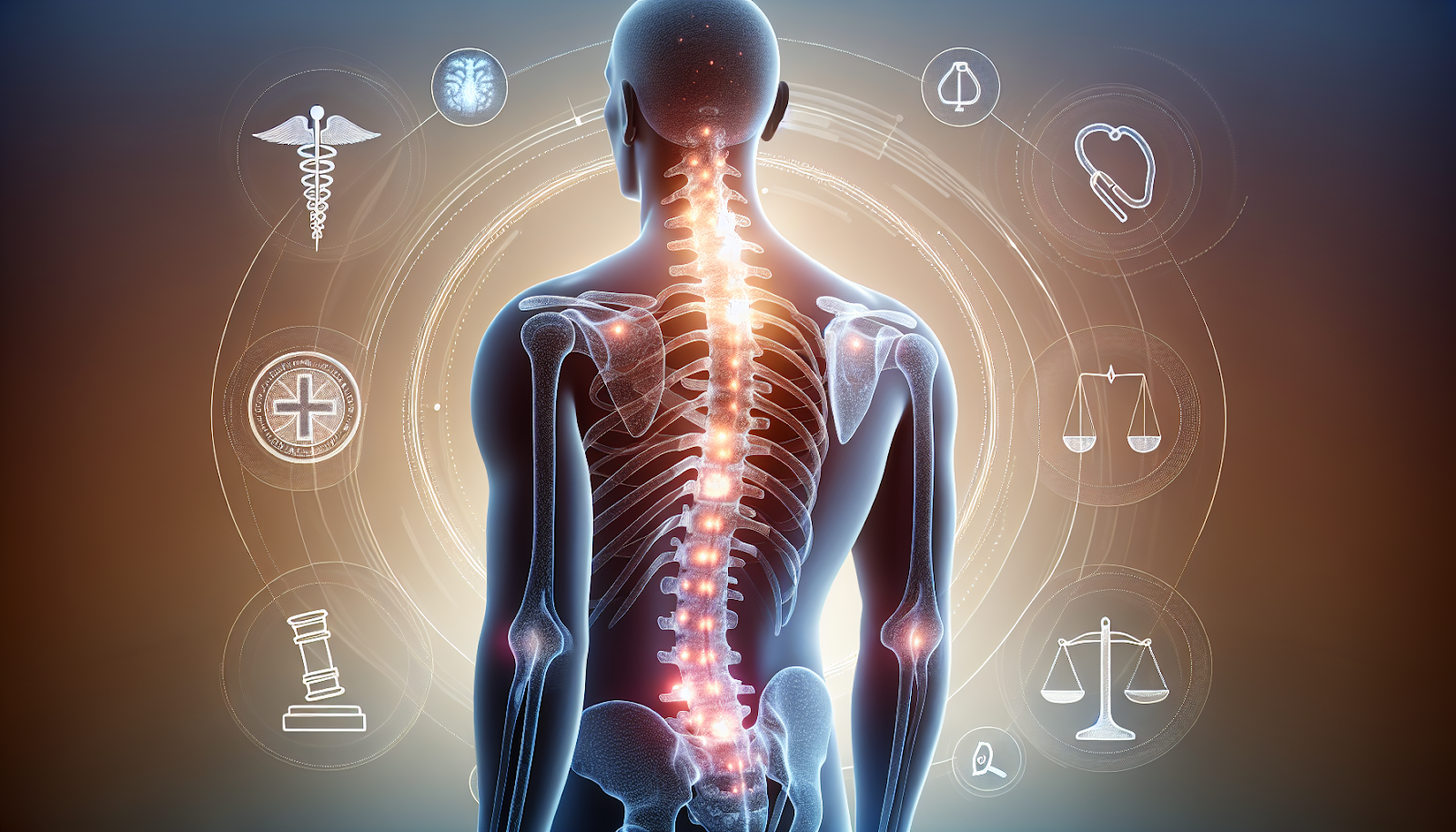
Whiplash injuries are a common result of motor vehicle accidents, particularly rear-end collisions. These injuries involve damage to the neck’s soft tissues, including muscles and ligaments, caused by the rapid back-and-forth motion of the head. While whiplash can range from mild to severe, they often lead to neck pain, chronic symptoms, and even whiplash associated disorders (WAD) in more complex cases. At Kohan & Bablove Injury Attorneys, we help victims of acute whiplash and other forms of neck injury secure compensation for their medical or paramedical treatments, lost income, and more. If your whiplash injury was caused by someone else’s negligence, we’re here to guide you through the legal process.
What Is Whiplash?
A whiplash injury occurs when the neck is forcefully whipped back and forth, straining the cervical muscles, ligaments, and spine. In some cases, whiplash trauma can lead to chronic neck pain or acute whiplash associated disorders, depending on the severity of the impact.
Common Symptoms of Whiplash
The symptoms of whiplash vary but often include:
Neck pain and stiffness
Reduced range of motion in the neck
Chronic pain in the shoulders, upper back, or head
Muscle spasms or muscle weakness
Severe neck pain or tenderness in the cervical spine
If you experience any of these physical signs after an accident, seek medical attention immediately to have your whiplash diagnosed and treated effectively.
Whiplash Associated Disorders (WAD)
Whiplash associated disorders refer to a range of complications caused by acute whiplash or related trauma. These conditions are categorized based on their severity:
Grade I (mild):Neck pain with no physical abnormalities or neurological damage.
Grade II (moderate): Includes neck stiffness, reduced range of motion, and some soft tissue injuries.
Grade III (severe): May involve neurological signssuch as decreased deep tendon reflexes, numbness, or tingling.
Grade IV (severe whiplash): Includes possible fractures or damage to the spinal cord.
Without proper treatment, chronic whiplash associated disorders can lead to prolonged disability or ongoing pain intensity.
Common Causes of Acute Whiplash Associated Disorders in Orange County
Whiplash symptoms that may include severe pain commonly occur in situations involving sudden impact or force. These include:
Contact sports: Activities like football, hockey, or wrestling can strain the neck muscles and ligaments.
Falls or slips: Sudden jolts from falls may result in neck sprain or neck strain.
If you’ve sustained a neck injury due to a motor vehicle accident or another incident, you may be entitled to seek compensation for your losses.
How Whiplash Differs from Other Injuries
Whiplash, commonly caused by a car accident, is a distinct injury that involves the rapid back-and-forth motion of the neck, leading to damage in the neck muscles, ligaments, and sometimes the lower cervical vertebrae. While other injuries, such as neck strain, thoracic spine injuries, or ligamentous injuries, may occur in similar accidents, they differ in their mechanics, symptoms, and treatment approaches.
Key Differences Between Whiplash and Other Injuries
Whiplash vs. Neck Strain
Whiplash: Results from the sudden snapping motion of the neck, typically caused by a rear-end collision, and may lead to chronic conditions like whiplash syndrome or late whiplash syndrome.
Neck Strain: Often caused by overextension or repetitive movements during an accident, focusing on muscle overuse rather than the rapid motion associated with whiplash.
Whiplash vs. Thoracic Spine Injuries
Whiplash: Primarily impacts the cervical region of the spine and soft tissues, causing pain, stiffness, and even psychological symptoms due to the strain.
Thoracic Spine Injuries: Affect the mid-back area and are more likely to involve fractures or direct trauma, such as from a side impact or rollover accident.
Whiplash vs. Ligamentous Injury
Whiplash: Frequently results in muscle spasms, reduced range of motion, and chronic pain due to stretched or torn soft tissues.
Ligamentous Injury: Often localized and caused by direct trauma, it may result in instability or weakness without the broad pain intensity seen in whiplash.
Why Proper Diagnosis Matters
Diagnosing whiplash often involves tests like X-rays or MRIs to rule out other injuries, such as bone injuries or nerve damage. Medical professionals may also use tools like the Neck Disability Index to assess the severity of symptoms. Early and accurate diagnosis ensures that whiplash-specific treatments, such as physical therapy and pain relievers, address the unique mechanics of the injury, helping prevent the progression to more severe whiplash or chronic conditions. Understanding these differences is crucial when seeking appropriate treatment or pursuing compensation for injuries sustained in a car accident.
How Whiplash Is Diagnosed
To diagnose whiplash, medical professionals will conduct a physical exam to evaluate your range of motion, assess tenderness, and check for neurological signs. In some cases, imaging tests like X-rays or MRIs may be used to rule out fractures or spinal cord injury and determine between acute or subacute whiplash associated disorders. Proper diagnosis is critical to determining the extent of your injury and establishing a treatment plan that may include physical therapy, muscle relaxants, or transcutaneous electrical nerve stimulation (TENS).
Treatment Options for Whiplash Associated Disorder
How your whiplash is treated depends on the severity of the injury and the symptoms. Common treatments include:
Physical therapy: Exercises to restore range of motion and strengthen the neck.
Pain relievers: Over-the-counter or prescription medications for pain relief.
Sports physical therapy: For injuries caused by contact sports, specialized therapy can aid recovery.
Chiropractic care: Manipulation of the cervical spine to alleviate neck stiffness and pain.
Prompt whiplash treatment can prevent the development of chronic symptoms or chronic disability.
Compensation for Whiplash, Spine and Spinal Cord Injuries
If your whiplash injury was caused by a motor vehicle collision or another act of negligence, you may be entitled to recover damages, including:
Medical bills: Costs for initial treatment, follow-up care, and soft tissue injuries.
Lost wages: Compensation for time missed from work due to your injury.
Pain and suffering: Damages for chronic pain, emotional distress, or reduced quality of life.
Property damage: Reimbursement for vehicle repairs if the injury occurred during a motor vehicle accident.
An experienced attorney can help you estimate your losses and fight for maximum compensation.
How Kohan & Bablove Injury Attorneys Can Help
At Kohan & Bablove Injury Attorneys, we understand the physical, emotional, and financial toll of an acute whiplash injury. Our team is experienced in handling personal injury cases and can assist you with:
Investigating the accident to prove fault and liability.
Working with medical professionals to document your physical signs and treatment.
Negotiating with insurance companies to ensure you receive fair compensation.
Representing your interests in court, if necessary, to recover what you’re owed.
Let us handle the legal complexities while you focus on your recovery.
Learn More About Whiplash Injuries
If you’ve sustained a whiplash injury, call Kohan & Bablove Injury Attorneys at (949) 482-2525 to schedule a free consultation. You can also reach us through ourcontact page. Let us help you get the justice and compensation you deserve.
Whiplash Injury FAQs
How long does it take to recover from whiplash?
Recovery time varies depending on the severity. Mild cases may resolve in a few weeks, while severe cases involving chronic pain or chronic whiplash may require months or longer.
What are the long-term effects of whiplash?
Untreated whiplash injuries can lead to chronic neck pain, reduced range of motion, and prolonged disability. Seek early treatment to minimize these risks.
Can I file a claim if I didn’t feel pain immediately?
Yes. Many symptoms of whiplash appear hours or days after an accident. Prompt medical documentation will strengthen your claim.
Do I need an attorney for a whiplash injury claim?
While not mandatory, an attorney can help you navigate the claims process, deal with insurance companies, and maximize your compensation.
Can whiplash lead to spinal cord injuries?
In severe cases, whiplash trauma can result in damage to the spinal cord, particularly if the impact involves fractures or dislocations.
Kohan & Bablove Injury Attorneys was founded by three former defense attorneys who were tired of helping insurance companies and big corporations save money by paying the least amount possible to resolve claims. We wanted to open a law firm where we could use our years of experience handling the toughest and largest claims to benefit the individual. Each of us were tired of being cogs in the wheel that focused on paying the least amount possible to injured persons regardless of injuries or the validity of their claims.
Experiencing a truck accident can be a traumatic and overwhelming event, leaving victims with not only physical injuries but also emotional and financial burdens. In the chaotic aftermath, knowing how to build a strong case is paramount to securing the compensation you deserve. This comprehensive guide walks you through the essential steps to take following a truck accident, ensuring your rights are protected and your path to recovery is clear. From seeking immediate medical attention to gathering crucial evidence and consulting with an experienced truck accident lawyer, each step plays a vital role in fortifying your claim.
Seek Immediate Medical Attention
Your health is paramount, so prioritize immediate medical attention after a truck accident. Even if you feel fine initially, some injuries may not be immediately apparent. Prompt medical evaluation can detect hidden injuries, preventing minor issues from escalating into severe health complications.
Imagine waking up the next day with unbearable pain that wasn’t there before. This scenario underscores the importance of timely medical documentation. Insurance companies often dispute the severity of injuries if there’s a delay in seeking medical attention. Following medical advice and attending all follow-up appointments ensures proper recovery and strengthens your case.
Medical professionals can provide the necessary treatments to address visible injuries like cuts and bruises, as well as more serious injuries that might not show symptoms right away. Immediate medical attention not only prioritizes your health but also creates a documented trail supporting your claim.
Contact an Experienced Truck Accident Lawyer
Navigating the legal landscape after a truck accident can be overwhelming, so contacting an experienced truck accident lawyer is essential. Truck accident claims are more complex than typical car accident cases due to the multitude of regulations and parties involved. A specialized lawyer can help you gather vital evidence, negotiate with insurance companies, and advocate for your rights.
An expert handling your case provides peace of mind. Truck accidents often involve multiple parties such as the truck driver, trucking company, and vehicle manufacturers, each with specific responsibilities and liabilities. An experienced truck accident attorney can untangle these complexities, ensuring a strong truck accident cases.
For those dealing with the aftermath of a trucking accident, firms like Kohan & Bablove offer dedicated assistance. With a proven track record in personal injury cases, they can provide the expert legal counsel needed to navigate your truck accident claim successfully. Reach out for a free consultation to discuss your case and explore legal options.
Secure the Accident Scene and Gather Evidence
Securing the accident scene and gathering evidence immediately after the collision is vital for building a strong case. Begin by turning on your hazard lights and, if possible, use warning signs to alert other drivers. If you can, move to a secure location away from traffic to prevent further accidents.
Once safe, start documenting the accident scene. Take extensive photographs, capturing vehicle damage, skid marks, road conditions, and any relevant traffic signs. This visual evidence can provide a clear picture of what happened and support your version of events. Obtain names and contact details of any witnesses, as their statements can be invaluable in corroborating your account of the incident.
Dashcam footage from nearby vehicles can serve as crucial evidence. Obtain a police report, which includes essential details such as the date, time, and location of the accident, along with witness statements and descriptions of damages.
Preserve evidence carefully to avoid mishandling that could hinder your case. Acting promptly is necessary as trucking companies may dispose of logs and records after a set period.
Collect Crucial Evidence
Gathering evidence is the foundation for building a strong truck accident case. Essential evidence includes accident reports, witness statements, medical records, proof of expenses, and crucial documents like the driver’s logbooks and the truck’s black box. Each of these elements plays a critical role in determining fault and can significantly influence the compensation amount.
Photographs of the accident scene and documentation of the conditions at the time of the collision are also vital. A well-documented scene showing the exact circumstances that led to the accident can make a compelling case in your favor.
An experienced truck accident lawyer can compel the disclosure of essential information, ensuring no stone is left unturned in gathering evidence. Their expertise in collecting and presenting evidence can be the difference between a weak case and a successful claim.
Obtain Police Reports
Obtaining a police report is critical for supporting your claim. Police reports include important information about the accident, such as officer observations and any traffic violations. This official document adds significant weight to your case, providing a neutral account of what happened.
Police reports often include details that might be overlooked by those involved in the accident, such as witness statements and descriptions of damages. Having this comprehensive report can bolster your claim and provide a solid foundation for negotiations with insurance companies or in court.
Preserve Medical Records and Document Expenses
Preserving medical records and documenting all expenses related to the truck accident substantiates your claim. Medical records created shortly after the accident establish a clear link between the incident and the injuries sustained. These records support your case and document the extent of your injuries and the treatments received.
Keep all medical bills and out-of-pocket expenses to support your claim. This includes not only immediate medical expenses but also any ongoing treatments and future medical needs. A police report can assist in linking delayed injury symptoms to the accident and justify later medical treatments.
Maintaining these records meticulously ensures accurate accounting of all expenses related to the accident, strengthening your case and increasing the likelihood of full compensation.
Determine Liability
Determining liability is crucial in the claims process. Accident reports, maintenance logs, and witness statements are essential for proving who is at fault. Filing a police report establishes an official record of the incident, useful for resolving potential disputes later.
Common parties liable in truck accidents include the truck driver, the trucking company, and vehicle manufacturers. Factors considered when establishing fault include the truck driver’s actions, such as negligence or distracted driving, and contributory factors like poor truck maintenance or overloading. Mechanical failures from improper maintenance can also lead to accidents, placing liability on service providers.
In some jurisdictions, a victim may recover damages even if partially at fault. In states like Georgia, you must prove you were less than 50 percent responsible to file a claim for damages. Understanding these nuances is key to building a strong case and ensuring fair compensation.
Calculate Full Damages
Calculating full damages ensures you receive fair compensation for all losses incurred due to the truck accident. Total damages include all financial losses, such as medical bills, lost wages, and non-economic losses like pain and suffering. Victims can claim damages for lost wages, future earning potential, property damage, pain and suffering, and other losses.
The severity of injuries and their long-term impact significantly influence the amount of compensation awarded. Understanding the value of your case is crucial before negotiating to avoid low settlement offers. A proficient lawyer can accurately evaluate all potential damages, ensuring nothing is overlooked during claims.
Maintaining precise medical documentation enhances the likelihood of complete compensation for injuries. Future medical expenses can significantly increase the total damages in a truck accident lawsuit. Calculating both current and future expenses ensures you seek the full amount of compensation you deserve.
Be Prepared for Litigation
If negotiations with the insurance company fail, prepare for litigation. A lawyer’s role in litigation includes preparing the case and representing your interests in court. They conduct thorough investigations, gather all necessary evidence, and formulate a legal strategy tailored to your case.
Going to trial poses risks like a longer process and higher legal fees, but it may also offer benefits like a potentially higher payout if the jury finds in your favor. Reviewing all aspects of the case, including strengths and weaknesses, is essential for effective litigation preparation.
With the support of a dedicated legal team, you can navigate the legal process and seek the compensation deserved.
Contact Kohan & Bablove Today
Building a strong case after a truck accident involves several crucial steps, from seeking immediate medical attention to preparing for potential litigation. By following this comprehensive guide, you can gather the necessary evidence, determine liability, and calculate full damages to strengthen your claim.
Remember, navigating the aftermath of a truck accident is complex, but you don’t have to do it alone. Consulting with Kohan & Bablove, experienced truck accident lawyers, can provide the guidance and support needed to secure the compensation you deserve. Take action today to protect your rights and ensure a fair outcome.
Frequently Asked Questions
How much are most truck accident settlements?
Most truck accident settlements typically range from $50,000 to over a million dollars, depending on the severity of the injuries involved. More severe cases can lead to significantly higher settlements.
Why is seeking immediate medical attention crucial after a truck accident?
Seeking immediate medical attention after a truck accident is crucial to diagnose hidden injuries that may not be immediately apparent and to create timely documentation that can support any claims you may need to file. This proactive step ensures your health is prioritized and your rights are protected.
How can an experienced truck accident lawyer assist in my case?
An experienced truck accident lawyer can effectively gather crucial evidence, negotiate with insurance companies, and strongly advocate for your rights, significantly enhancing the chances of a favorable outcome in your case. Their expertise ensures that you receive the compensation you deserve.
What types of evidence should I collect after a truck accident?
Collecting accident reports, witness statements, medical records, proof of expenses, and the truck’s black box data is crucial for building your case after a truck accident. This evidence will support your claims and strengthen your position.
Why is obtaining a police report important?
Obtaining a police report is crucial as it offers an impartial account of the incident, including essential details that can strengthen your claim. It documents officer observations and any potential traffic violations relevant to the case.
GPT Content:
How to Build a Strong Case After a Truck Accident
Truck accidents can have devastating consequences, leaving victims with severe injuries, costly medical bills, and emotional trauma. When pursuing compensation for these losses, building a strong case is essential to ensure you receive the justice you deserve. At Kohan & Bablove, Injury Attorneys, we understand how overwhelming this process can be and are here to guide you every step of the way. This blog will walk you through the key steps to strengthen your case after a truck accident, focusing on California’s laws and legal practices.
Prioritize Safety and Medical Care
The moments after a truck accident are critical. Your health and safety should come first:
Seek Immediate Medical Attention: Even if you feel fine, some injuries, such as internal bleeding or concussions, may not be immediately apparent. Prompt medical care ensures your injuries are documented, which will be crucial for your case.
Contact Emergency Services: Report the accident to the police. A police report can serve as a vital piece of evidence in determining liability.
Remember, delaying medical treatment can not only jeopardize your health but also weaken your claim. Insurance companies may argue that your injuries were not caused by the accident if you wait too long to see a doctor.
Document the Scene Thoroughly
The more evidence you gather at the accident scene, the stronger your case will be. Key steps include:
Take Photos and Videos: Capture images of the vehicles involved, damage, skid marks, road conditions, traffic signs, and any visible injuries.
Exchange Information: Obtain the contact and insurance details of the truck driver and any witnesses. Also, note the trucking company’s name and the truck’s license plate number.
Secure Witness Statements: Eyewitness accounts can be invaluable in supporting your version of events. Collect their names and contact information.
If you’re unable to document the scene due to your injuries, ask a trusted friend or family member to help.
Understand Trucking Regulations and Liability
Truck accident cases are more complex than standard car accident claims because they involve unique regulations and multiple parties. Key factors include:
Federal and State Trucking Regulations: Truck drivers and companies must adhere to strict rules, such as hours-of-service limits, vehicle maintenance standards, and load restrictions. Violations of these rules can point to negligence.
Potentially Liable Parties: Liability may extend beyond the truck driver to the trucking company, maintenance crew, cargo loaders, or even manufacturers of defective truck parts. Identifying all responsible parties ensures you pursue maximum compensation.
California operates under a comparative negligence system, meaning even if you are partially at fault, you can still recover damages, though your award may be reduced proportionately.
Preserve Evidence
Preserving evidence is one of the most critical aspects of building a strong case. This includes:
Black Box Data: Trucks are equipped with electronic logging devices (ELDs) or black boxes that record speed, braking patterns, and driving hours.
Driver Logs and Maintenance Records: These documents can reveal whether the driver violated hours-of-service rules or if the truck had any known mechanical issues.
Surveillance Footage: Nearby traffic or security cameras may have captured the accident.
Your attorney can issue a spoliation letter to ensure this evidence is not destroyed or altered.
Work With Experienced Legal Representation
Truck accident claims are often contested by powerful trucking companies and their insurance providers, who will work to minimize their liability. Having skilled legal representation is essential to level the playing field. At Kohan & Bablove, Injury Attorneys, we:
Conduct in-depth investigations to identify all liable parties.
Gather and analyze critical evidence, such as black box data and accident reconstruction reports.
Negotiate aggressively with insurers to secure fair settlements.
Represent you in court, if necessary, to ensure you receive the compensation you deserve.
Our experience in handling truck accident cases in California equips us to navigate the complexities of these claims effectively.
File Your Claim Within the Statute of Limitations
In California, the statute of limitations for personal injury claims is two years from the date of the accident (California Code of Civil Procedure Section 335.1). Failing to file within this time frame could result in losing your right to pursue compensation.
For claims involving government entities (e.g., if the accident involved a government-owned truck), the deadline is significantly shorter—just six months. Consulting with an attorney early ensures all deadlines are met.
Maximize Your Compensation
To recover the compensation you deserve, it’s essential to include all your damages in your claim. These may include:
Medical Expenses: Current and future treatment costs.
Lost Wages: Income lost due to time off work or diminished earning capacity.
Pain and Suffering: Compensation for physical pain and emotional distress.
Property Damage: Repair or replacement costs for your vehicle.
An experienced attorney will calculate the full extent of your losses, ensuring nothing is overlooked.
Stay Cautious When Dealing With Insurance Companies
Insurance companies often aim to settle quickly and for the lowest amount possible. Be cautious about:
Providing Recorded Statements: Anything you say could be used against you.
Accepting Early Settlement Offers: These offers rarely account for the full scope of your losses.
Signing Documents Without Legal Advice: Ensure your attorney reviews all paperwork to avoid waiving your rights.
Build a Strong Case With Confidence
Building a strong case after a truck accident requires prompt action, thorough documentation, and experienced legal representation. By following the steps outlined in this blog, you can improve your chances of recovering the compensation you need to move forward.
Learn more about how to build a strong case after a truck accident. Call Kohan & Bablove, Injury Attorneys at (949) 535-1341 to schedule your free, no-obligation consultation. You can also reach us anytime through our contact page. Let us help you take the first step toward justice and recovery.
Kohan & Bablove Injury Attorneys was founded by three former defense attorneys who were tired of helping insurance companies and big corporations save money by paying the least amount possible to resolve claims. We wanted to open a law firm where we could use our years of experience handling the toughest and largest claims to benefit the individual. Each of us were tired of being cogs in the wheel that focused on paying the least amount possible to injured persons regardless of injuries or the validity of their claims.
Being involved in a car accident can be a life-altering experience, often resulting in physical injuries and emotional distress. For some car accident victims, the aftermath extends beyond physical pain to include post-traumatic stress disorder (PTSD), a condition that profoundly impacts mental health and daily life. If you’re dealing with PTSD after a traumatic event like a motor vehicle accident in Newport Beach, you may be wondering if you can seek compensation for the mental and emotional toll. The answer is yes—filing a personal injury claim for PTSD is possible, and understanding the legal process can help you recover damages for your suffering.
What Is PTSD and How Does It Relate to Car Accidents?
Post-traumatic stress disorder (PTSD) is a mental health condition triggered by a traumatic event, such as a severe car crash. PTSD symptoms may include mood swings, flashbacks, nightmares, and heightened anxiety, all of which can interfere with a person’s ability to work, maintain relationships, or even drive again.
Car accidents are among the leading causes of PTSD, as victims often endure both physical injuries and emotional distress caused by the traumatic experience. While many people associate PTSD with veterans or survivors of violent crimes, studies show that motor vehicle accidents are a significant source of this debilitating condition.
Seeking Compensation for PTSD
Victims of motor vehicle accidents may seek compensation for both the physical and emotional effects of the accident. Compensation can include medical expenses, lost wages, and damages for emotional distress, such as PTSD. To file a lawsuit for PTSD, you must demonstrate that the condition was caused by the accident and that it has significantly impacted your life.
Common Damages in PTSD-Related Claims
Medical expenses: Costs for therapy, medication, and ongoing treatment with a mental health professional.
Lost wages: Income lost due to an inability to work while recovering.
Pain and suffering: Compensation for physical pain and emotional distress, including mental anguish and PTSD symptoms.
Future medical expenses: Long-term costs for counseling or other treatments.
Establishing PTSD in a Car Accident Claim
Filing a personal injury claim for PTSD requires strong evidence to connect the condition to the accident. Key steps include:
1. Seek Medical Attention Immediately
After a car crash, it’s vital to address both physical and mental health concerns. A medical professional can evaluate injuries sustained, while a mental health professional can diagnose PTSD and develop a treatment plan. Early documentation of symptoms strengthens your claim.
2. Gathering Evidence
Building a solid case requires proof that the car accident caused your PTSD. Evidence might include:
Medical records showing a PTSD diagnosis and related treatments.
Police reports from the accident scene.
Witness statements to corroborate your experience during and after the accident.
3. Prove Negligence
To hold the at-fault party liable, you must demonstrate that their reckless driving, distracted driving, or other forms of negligence caused the accident.
Obtain expert testimony from mental health professionals to explain the severity of your PTSD.
Handle negotiations with insurance companies to secure a fair settlement.
Present a compelling case in court if necessary.
Can Families File a Wrongful Death Claim for PTSD?
In cases where a car accident results in wrongful death, surviving family members may also experience PTSD. While a wrongful death claim typically seeks compensation for medical bills, funeral costs, and loss of financial support, families can also pursue damages for emotional suffering, including PTSD caused by the tragic loss.
What Role Does Negligence Play in PTSD Lawsuits?
Negligence is central to most personal injury cases, including those involving PTSD. Common negligent behaviors leading to car accidents include:
Aggressive driving behaviors like tailgating or speeding.
Reckless driving involving illegal maneuvers.
Distracted driving, such as texting while driving.
The at-fault party’s negligence must be proven to recover damages. Your attorney will analyze traffic laws, police reports, and witness accounts to establish liability.
Compensation for PTSD in Newport Beach
Victims of PTSD following a car crash may be entitled to significant compensation depending on the severity of their injuries and the circumstances of the accident. Compensation aims to cover immediate medical attention, ongoing care, and emotional recovery.
Kohan & Bablove, Injury Attorneys, have extensive experience handling personal injury cases involving physical and emotional distress. We work diligently to ensure car accident victims receive maximum compensation for their suffering.
Conclusion: Pursuing Justice for PTSD After a Car Accident
PTSD is a serious condition that affects car accident victims long after the physical injuries heal. Filing a lawsuit for PTSD after an accident in Newport Beach is an essential step toward recovering fair compensation and addressing the full scope of damages. Whether your claim involves medical expenses, lost wages, or pain and suffering, having an experienced attorney by your side can make all the difference.
Learn more about filing a lawsuit for PTSD after an accident in Newport Beach. Call Kohan & Bablove, Injury Attorneys, at (949) 535-1341 to schedule your free consultation. You can also reach us anytime through our contact page. Let us help you pursue the justice and compensation you deserve.
Kohan & Bablove Injury Attorneys was founded by three former defense attorneys who were tired of helping insurance companies and big corporations save money by paying the least amount possible to resolve claims. We wanted to open a law firm where we could use our years of experience handling the toughest and largest claims to benefit the individual. Each of us were tired of being cogs in the wheel that focused on paying the least amount possible to injured persons regardless of injuries or the validity of their claims.
Exposure to toxic substances can lead to severe health consequences, financial hardship, and long-term environmental damage. In Newport Beach, toxic tort lawsuits are a crucial avenue for victims to seek justice and compensation for harm caused by dangerous chemicals, hazardous substances, or environmental contamination. Whether you’ve been exposed to toxic materials in the workplace, through consumer products, or from environmental contamination, understanding the legal landscape is essential.
This article explores the key aspects of toxic exposure cases, common examples, and the role of an attorney in pursuing justice for affected individuals.
What Is a Toxic Tort?
A toxic tort is a legal claim brought by individuals who have suffered harm due to exposure to toxic substances. These lawsuits typically involve injuries or illnesses caused by toxic chemicals, materials, or substances in various environments, including homes, workplaces, or public areas.
Common Examples of Toxic Tort Cases
Toxic tort cases often arise from exposure to:
Asbestos: Linked to mesothelioma, asbestosis, and lung cancer.
Toxic chemicals: Found in pesticides, solvents, and industrial waste.
Drinking water contamination: Harmful substances like benzene or lead entering the water supply.
Consumer products: Items that release dangerous chemicals, such as cleaning agents or defective materials.
These cases involve proving that the toxic substance caused the plaintiff’s injuries or illness.
How Toxic Exposure Occurs
Exposure to dangerous substances can happen through various means, including:
Direct contact: Skin exposure to harmful chemicals leading to chemical burns or irritation.
Inhalation: Breathing in toxic fumes, asbestos fibers, or airborne chemicals, resulting in respiratory problems.
Ingestion: Consuming contaminated water or food that contains toxic materials.
Toxic exposure lawsuits often center around negligence by companies or individuals who failed to mitigate risks or warn about potential dangers.
The Legal Framework for Toxic Tort Claims
Toxic tort claims are governed by state and federal laws designed to protect public health and the environment. Key legal frameworks include:
The defendant’s negligence or failure to act responsibly.
An experienced attorney can navigate these legal complexities and build a strong case to recover damages.
Health Impacts of Toxic Exposure
Toxic exposure can lead to a range of health issues, from mild irritation to life-threatening diseases. Common conditions linked to toxic substances include:
Lung cancer: Often associated with asbestos exposure or inhalation of harmful chemicals.
Asbestosis: A chronic lung disease caused by prolonged exposure to asbestos fibers.
Respiratory problems: From exposure to airborne toxins like pesticides or industrial pollutants.
Serious illnesses: Such as leukemia, linked to benzene exposure, or other diseases caused by dangerous chemicals.
In many cases, the effects of exposure may not become apparent for years, complicating the process of connecting the disease to the toxic material.
Proving Negligence in Toxic Tort Cases
Proving liability in toxic torts requires thorough evidence and expertise. Plaintiffs must show:
The presence of harmful substances.
That the defendant was responsible for the exposure.
The substance’s direct link to the plaintiff’s illness or injuries.
For example, in asbestos-related lawsuits, the plaintiff must demonstrate a history of exposure to asbestos and that the disease was caused by that exposure. Companies that manufactured or used the asbestos may be held liable.
Compensation in Toxic Exposure Lawsuits
Victims of toxic exposure can seek compensation for various damages, including:
Pain and suffering: For the physical and emotional toll of the illness.
Economic losses: Related to the exposure, including diminished earning capacity.
In cases of wrongful death, surviving family members may pursue compensation for funeral expenses and loss of companionship.
The Role of an Attorney in Toxic Tort Litigation
Navigating toxic tort claims requires the expertise of an experienced attorney. They will:
Investigate the source of the exposure and gather evidence.
Build a case to prove negligence and establish a causal link between the exposure and the injury.
Negotiate with responsible parties or their insurance companies for fair compensation.
Working with a law firm that specializes in toxic torts ensures you have legal representation capable of addressing the complexities of these cases.
Preventing Toxic Exposure
While litigation can provide relief for victims, prevention is always preferable. Steps to reduce the risk of exposure include:
Avoiding direct contact with industrial chemicals or hazardous substances.
Ensuring proper ventilation in workplaces or areas where toxic materials are used.
Staying informed about environmental risks in your community.
Consumer advocacy groups often provide valuable resources for identifying dangerous substances in products or the environment.
Conclusion: Seeking Justice for Toxic Exposure
Toxic exposure can have devastating effects on individuals and communities. Whether it involves asbestos exposure, drinking water contamination, or other harmful substances, victims deserve justice and accountability. If you or a loved one has been exposed to toxic materials, understanding your rights and pursuing a toxic tort claim can provide the compensation needed for recovery.
Learn more about what you need to know about toxic exposure lawsuits in Newport Beach. Call Kohan & Bablove, Injury Attorneys, at (949) 535-1341 to schedule .your free consultation. You can also reach us anytime through our contact page. Let us help you take the first step toward justice and recovery.
Kohan & Bablove Injury Attorneys was founded by three former defense attorneys who were tired of helping insurance companies and big corporations save money by paying the least amount possible to resolve claims. We wanted to open a law firm where we could use our years of experience handling the toughest and largest claims to benefit the individual. Each of us were tired of being cogs in the wheel that focused on paying the least amount possible to injured persons regardless of injuries or the validity of their claims.
Orange County boating accident attorney representation is essential if you’ve been seriously injured in a recreational watercraft collision and need experienced legal advocacy to secure full compensation. Boating is a popular pastime in Newport Beach, offering residents and visitors beautiful views and recreational opportunities. However, accidents on the water can lead to severe injuries, property damage, and even fatalities. If you or someone you love has been involved in a boating accident, it’s crucial to understand your legal rights and options. This article will explore the steps to take after a boating accident, the legal frameworks such as maritime law, and how an experienced attorney can assist in recovering compensation.
Common Causes of Boating Accidents
Boating accidents often result from negligence or failure to adhere to safety regulations. Common factors include:
Operator inattention: A leading cause of accidents, especially when boat operators fail to maintain a proper lookout.
Excessive speed: High-speed boating can lead to collisions with other vessels or stationary objects.
Inexperienced operators: Operators without proper training are more likely to make mistakes, increasing the likelihood of accidents.
Alcohol use: Operating a boat under the influence is a significant risk factor in boating accident cases.
Understanding the cause of the accident is essential for determining liability and pursuing a boating accident claim.
Steps to Take After a Boating Accident
If a boating accident occurs, prioritizing safety and gathering evidence is critical. Here’s what to do:
Seek medical attention immediately: Even if your injuries seem minor, prompt medical attention ensures proper documentation and care.
Contact local law enforcement and the Coast Guard: Reporting the accident to appropriate authorities ensures an accident report is filed, which is vital for any potential claims.
Gather evidence: Take photographs of injuries, property damage, and the accident scene. Collect information from other boaters or parties involved, including names, contact details, and insurance information.
Report the accident to your insurance company: Provide details of the accident, but avoid admitting fault or speculating about liability.
Legal Recourse for Boating Accident Victims
Victims of boating accidents may pursue compensation for damages, including medical expenses, lost wages, and pain and suffering. The specific circumstances of your case will determine the best legal approach, whether under California law or general maritime law.
Understanding Maritime Law
Maritime law governs boating accidents that occur on navigable waters. It includes provisions such as the Jones Act, which protects crew members injured due to their employer’s negligence. In cases involving recreational boats, victims can pursue compensation through personal injury claims based on negligence.
To establish liability, you must prove that the responsible party, such as boat operators or other boaters, acted negligently and caused the injuries. This might involve demonstrating:
Failure to follow safety regulations.
Inadequate maintenance of the vessel.
Actions by the at-fault party that led to the accident.
An experienced maritime attorney can navigate these complex legal issues to strengthen your case.
Determining Liability in Boating Accident Cases
Liability in a boating accident depends on various factors, such as the roles of the parties involved and the nature of the accident. Liability may rest with:
Boat operators: Negligent operation, such as excessive speed or failure to maintain a proper lookout, is a common cause of accidents.
Boat owners: Owners may be held liable for improper maintenance or allowing inexperienced operators to use their vessels.
Manufacturers: Defects in a boat or its equipment can lead to catastrophic injuries and property damage.
In accidents involving multiple parties, determining fault can be challenging. A skilled personal injury attorney will investigate the accident thoroughly to identify all liable parties.
Recoverable Damages in a Boating Accident Claim
Victims of boating injuries can seek compensation for various damages, including:
Medical expenses: Current and future costs related to your injuries.
Lost income: Wages lost due to time away from work.
Pain and suffering: Physical and emotional distress caused by the accident.
Property damage: Costs to repair or replace damaged boats or other property.
Wrongful death: If a loved one is lost, surviving family members may recover compensation for funeral costs and loss of companionship.
The Role of an Experienced Attorney
Hiring an experienced attorney can make all the difference in securing fair compensation. An accident attorney will:
Review the accident report and other evidence to build a strong case.
Handle negotiations with insurance companies to ensure you receive adequate coverage.
Represent your interests in court, if necessary.
Most law firms, including Kohan & Bablove, Injury Attorneys, operate on a contingency fee basis, meaning you don’t pay attorney fees unless your case is successful.
Preventing Boating Accidents
While you can’t control other boaters, following these tips can reduce the risk of accidents:
Always wear life jackets.
Avoid alcohol while operating a boat.
Maintain your vessel regularly.
Adhere to safety regulations and local boating laws.
Conclusion: Protecting Your Rights After a Boating Accident
Boating accidents can lead to severe injuries, catastrophic losses, and complicated legal issues. Whether the accident involved recreational boats, cruise ships, or other watercraft, victims deserve justice and compensation for their losses. Kohan & Bablove, Injury Attorneys, have extensive experience handling boating accident cases under both state and maritime law.
Learn more about legal recourse after a boat accident in Newport Beach. Call Kohan & Bablove, Injury Attorneys at (949) 535-1341 to schedule your free, no-obligation consultation. You can also reach us anytime through our contact page. Let us help you take the first step toward justice and recovery.
Kohan & Bablove Injury Attorneys was founded by three former defense attorneys who were tired of helping insurance companies and big corporations save money by paying the least amount possible to resolve claims. We wanted to open a law firm where we could use our years of experience handling the toughest and largest claims to benefit the individual. Each of us were tired of being cogs in the wheel that focused on paying the least amount possible to injured persons regardless of injuries or the validity of their claims.
If you have internal organ damage in Newport Beach, you need to know what legal steps to take after suffering internal organ damage in Newport Beach. Immediate medical attention, documenting your injuries, notifying your insurance, consulting a lawyer, and filing a claim are critical.
Key Takeaways
Immediate medical attention is critical after sustaining internal organ damage to prevent complications and support future compensation claims.
Thorough documentation of medical treatment and expenses is essential for establishing the severity of injuries and securing appropriate compensation.
Consulting an experienced personal injury lawyer can significantly enhance the likelihood of a favorable outcome in a personal injury claim, particularly in navigating complex legal processes.
Immediate Actions After Suffering Internal Organ Damage
The first and most crucial step after suffering internal organ damage is to seek immediate medical attention. Delaying care can exacerbate injuries and complicate future compensation claims. Whether it’s a motor vehicle accident, a fall, or any other incident leading to such severe injuries, getting a thorough medical evaluation is paramount. Internal injuries can be deceptive, with symptoms that might not appear until much later, making immediate medical intervention critical.
Notifying law enforcement about the accident is also crucial. This creates an official record that serves as vital evidence for your personal injury claim, detailing the accident’s circumstances, witness statements, and other crucial information. This documentation is foundational for building a strong case.
Understanding the scope of your injuries is another immediate action to take. Internal organ damage can often accompany other severe injuries such as spinal cord injuries or broken bones. Early recognition ensures comprehensive treatment and a clearer picture of your physical pain and suffering.
Documenting Medical Treatment and Expenses
Maintaining detailed medical records is crucial to proving your injuries were a direct result of the accident. These records demonstrate the severity of your injuries and the necessary treatments you’ve undergone. From initial emergency room visits to ongoing physical therapy sessions, every piece of documentation plays a role in painting a full picture of your medical journey.
Medical bills and records are essential for accurately assessing the compensation you can claim, helping quantify both past and anticipated future medical expenses. This includes surgical reports, therapy records, and other documentation highlighting the extent and impact of your injuries.
Thorough documentation can demonstrate the need for ongoing medical treatment and the long-term effects of your injuries, essential for securing compensation for future medical expenses and psychological support. Meticulous records lay a solid foundation for a strong injury claim.
Notifying Your Insurance Company
Once your medical needs are addressed, promptly notify your insurance company about the incident to adhere to policy deadlines and avoid potential issues with your claim. Accurate and detailed information will help your insurer understand the situation and begin the claims process.
Maintain open and timely communication with your insurance company throughout the claims process, providing precise details about the accident, your injuries, and your medical treatments. Full cooperation with insurance adjusters ensures they have all the information needed to assess your claim accurately.
Reporting the incident to your insurance company is a strategic step to safeguard your rights and claim compensation for your medical bills and other expenses. Open communication and thorough documentation strengthen your position and improve the likelihood of a successful claim.
Consulting an Experienced Personal Injury Lawyer
Consulting an experienced personal injury lawyer helps navigate the complexities of your case. They provide tailored legal advice, help you understand your rights, and assist in drafting a detailed claim document that includes all relevant information about the incident, your injuries, and the compensation you seek.
A personal injury attorney negotiates settlements on your behalf, leveraging their expertise to advocate for maximum compensation. This allows you to focus on recovery while they handle legal intricacies. The initial consultation helps evaluate your case’s strength and map out a strategy.
In Newport Beach, seeking out a reputable law firm like Kohan & Bablove Injury Attorneys can make a significant difference in your newport beach personal injury case. Experienced personal injury lawyers can navigate the legal landscape, negotiate with insurance companies, and, if necessary, take your case to court to pursue the compensation you deserve. Their expertise in handling severe injuries such as neck injuries, car accidents, and motorcycle accidents ensures that you have a strong advocate in your corner. If you need assistance, consider consulting a Newport Beach injury attorney.
Personal injury lawyers guide you through the entire process, from filing the initial claim to negotiating a settlement or pursuing a lawsuit if necessary. They understand the nuances of personal injury law and help you avoid pitfalls that could jeopardize your claim, significantly enhancing your chances of a favorable outcome.
Investigating the Accident and Determining Fault
Thoroughly investigating the accident is crucial for determining fault and building a strong personal injury case. Accurate medical documentation helps establish the link between the at-fault party’s negligence and your injuries. This includes gathering evidence such as medical records and accident reports.
Personal injury attorneys use various types of evidence, including medical reports, surveillance footage, and witness statements, to strengthen their case. They handle complex claims, allowing you to focus on recovery while they build a compelling case.
Forensic investigators may be engaged to accurately reconstruct the events leading up to the accident. Lawyers may also consult experts to validate claims and provide insight into the accident circumstances, ensuring all aspects are examined and negligence is clearly established.
Accident reports filed with authorities serve as vital documentation for claims and can corroborate the lawyer’s findings. The involvement of multiple negligent parties can complicate the case but also increase the likelihood of recovering higher compensation if the fault is shared.
Filing a Personal Injury Claim
Filing a personal injury claim starts with submitting a detailed letter to the insurance company, outlining the injuries sustained, the accident circumstances, and the compensation sought. Once submitted, an adjuster evaluates the claim and gathers evidence, a process that can be lengthy and complex.
An experienced personal injury lawyer helps navigate the claims process, ensuring all necessary documentation is provided and deadlines are met. They can also advise on the best course of action if you are partially at fault, helping you understand your options and potential impact on your claim.
Naming all at-fault parties in your accident claim is crucial to maximize compensation and hold all responsible parties accountable. Working with a personal injury lawyer ensures your claim is comprehensive and well-supported, increasing your chances of securing the compensation you deserve.
Compensation for Internal Organ Damage
Victims of internal organ damage may be entitled to various forms of compensation, including medical bills, lost wages, physical and mental impairments, and pain and suffering. The goal is to alleviate financial burdens caused by severe injuries, covering expenses such as ongoing medical care and lost income.
Non-economic damages, such as pain and suffering and disfigurement, are challenging to quantify but essential for fair compensation. Personal injury lawyers use various tools and methods to determine the dollar amounts for these intangible damages.
In California, the comparative negligence rule means that if you are partially responsible for your injuries, your total compensation award may be reduced by your percentage of fault.
Legal representation is crucial for maximizing financial recovery in personal injury cases. An experienced personal injury lawyer helps navigate the complexities of calculating compensation, ensuring you receive the full and fair compensation you deserve.
California Laws Affecting Personal Injury Claims
Understanding California law is essential for pursuing a personal injury claim. The statute of limitations for most personal injury claims in California is typically two years from the date of injury, with a shorter deadline of six months for claims against government entities.
Medical malpractice claims generally require filing within three years from the injury date or one year from discovering the injury. Adhering to these legal deadlines is crucial for maintaining the viability of your personal injury lawsuit.
California follows comparative negligence rules, allowing you to file a personal injury claim even if you are more than 50 percent responsible for your injuries. However, your compensation will be reduced proportionally based on your degree of fault.
Complete medical records can counter arguments about pre-existing injuries made by the defense, ensuring your claim is as strong as possible. These laws provide a framework for compensation and play a vital role in processing and resolving personal injury claims in California.
Preparing for Settlement Negotiations
Preparing for settlement negotiations is a strategic process that can significantly impact the outcome of your personal injury claim. Experienced lawyers negotiate settlements with insurance companies effectively, leveraging their knowledge and skills to secure fair compensation.
Influence techniques, such as reciprocity and the rule of liking, improve negotiation outcomes. Focusing on the strongest aspects of your case before presenting a settlement proposal can make your demands seem more reasonable and compelling.
Establishing a sense of unity or commonality can enhance the chances of the opposition accepting your settlement proposals. Utilizing the concept of scarcity can prompt quicker acceptance by emphasizing the limited availability of the offer.
Filing a Personal Injury Lawsuit if Necessary
If settlement negotiations do not yield satisfactory results, filing a personal injury lawsuit may be necessary. This decision can extend the resolution timeline, but it ensures your case is heard in court where a judge or jury will decide on fault and compensation.
Exceptions to the standard statute of limitations may apply in specific circumstances, such as cases involving minors, mental incompetence, or fraudulent concealment. Before proceeding to trial, negotiation with the opposing party is often attempted to reach a settlement without court intervention.
Understanding the legal steps involved and preparing thoroughly enhances your chances of securing the compensation you deserve. Whether you pursue compensation through settlement or a court verdict, the goal is to ensure fair compensation for your injuries and losses.
Summary
In summary, suffering internal organ damage is a life-altering event that requires a strategic approach to secure the compensation you deserve. Immediate actions, such as seeking medical attention and notifying law enforcement, lay the groundwork for your personal injury claim. Documenting medical treatment and expenses meticulously ensures that you have robust evidence to support your claim.
Notifying your insurance company promptly and consulting an experienced personal injury lawyer are critical steps in navigating the claims process. A thorough investigation of the accident and determining fault are essential for building a strong case. Filing a personal injury claim, negotiating settlements, and, if necessary, pursuing a lawsuit, are all steps that require careful planning and execution.
Understanding California laws and preparing for settlement negotiations can significantly impact the outcome of your case. With the right legal support and a comprehensive approach, you can maximize your chances of receiving fair compensation for your injuries and losses. Take these steps seriously and advocate for your rights to secure a better future.
Frequently Asked Questions
What should I do immediately after suffering internal organ damage in an accident?
Immediately seek medical attention and notify law enforcement to document the incident. Prompt action is crucial for your health and legal proceedings.
Why is documenting medical treatment and expenses important?
Documenting medical treatment and expenses is essential for substantiating injuries and accurately assessing compensation. This meticulous record-keeping serves as a vital reference in legal and financial matters.
How quickly should I notify my insurance company after an accident?
You should notify your insurance company as soon as possible following an accident to adhere to policy deadlines and ensure proper handling of your claim. Prompt reporting is crucial for a smooth claims process.
Do I need a personal injury lawyer to file a claim?
Engaging a personal injury lawyer is advisable, as they can significantly increase your chances of securing fair compensation for your claim. Their expertise can navigate the complexities of the legal process effectively.
What if settlement negotiations fail?
If settlement negotiations fail, your lawyer will likely proceed by filing a personal injury lawsuit to seek a resolution through the court system.
Kohan & Bablove Injury Attorneys was founded by three former defense attorneys who were tired of helping insurance companies and big corporations save money by paying the least amount possible to resolve claims. We wanted to open a law firm where we could use our years of experience handling the toughest and largest claims to benefit the individual. Each of us were tired of being cogs in the wheel that focused on paying the least amount possible to injured persons regardless of injuries or the validity of their claims.
Pedestrians, often the most vulnerable users of our roads, need robust legal protections. According to the National Highway Traffic Safety Administration (NHTSA), over 7,500 pedestrians were killed in traffic crashes in the United States in 2022. This highlights the critical need for awareness and legal safeguards. Understanding pedestrian rights and knowing what steps to take after an accident can impact outcomes. Kohan & Bablove Injury Attorneys handle pedestrian accident cases by offering expert legal guidance and representation.
Pedestrians have specific legal rights designed to ensure their safety and protect them in traffic environments. Understanding these rights is crucial for both pedestrians and drivers, as it promotes safer interactions and helps in determining liability in case of accidents.
Understanding Pedestrian Rights
Right-of-Way
One of the most fundamental rights of pedestrians is the right-of-way at crosswalks and intersections. This means that drivers are required to yield to pedestrians crossing the street at designated crosswalks. Even in the absence of marked crosswalks, pedestrians still have the right-of-way at intersections. They must continue to follow traffic signals and signs. This right is crucial in preventing accidents and ensuring safe passage for pedestrians across busy streets.
Sidewalk Use
Pedestrians are entitled to the safe use of sidewalks. Drivers must respect this right by avoiding driving on or blocking sidewalks. Sidewalks are designed to keep pedestrians away from vehicular traffic, providing a safe pathway for walking, jogging, and other pedestrian activities. When sidewalks are unavailable, pedestrians should walk on the left side of the road, facing oncoming traffic, to enhance visibility and safety.
Common Violations
Despite clear laws protecting pedestrian rights, violations are common. Typical incidents include vehicles not yielding at crosswalks, speeding in pedestrian zones, and blocking or driving on sidewalks. These actions violate pedestrian rights and increase the risk of accidents and injuries. Pedestrians need to be vigilant and aware of these potential hazards, and for drivers to adhere strictly to traffic laws designed to protect pedestrian safety.
By understanding and respecting pedestrian rights, we can create a safer and more harmonious traffic environment, reducing the incidence of accidents and ensuring the well-being of everyone on the road.
Distracted Driving: Drivers using mobile phones or engaging in other distractions.
Speeding: Excessive speed reduces reaction time and increases the severity of injuries.
Failure to Yield: Drivers not giving way to pedestrians at crosswalks or intersections.
Statistics reveal that thousands of pedestrians are injured or killed annually due to such negligence, highlighting the critical need for awareness and legal protections.
Immediate Steps After a Pedestrian Accident
If you’ve been in a pedestrian accident, immediate actions can affect legal outcomes:
Seek Medical Attention: Prioritize health by getting necessary medical care.
Document Injuries: Keep detailed records of all injuries and treatments.
Collect Evidence: Take photos of the accident scene, gather witness statements, and get a police report.
These steps are crucial for building a strong case and ensuring adequate compensation.
Legal Protections and Compensation
Pedestrians are entitled to a range of legal protections and compensations designed to safeguard their rights and provide relief in the event of an accident. Understanding these protections is essential for asserting your rights and ensuring you receive the support and compensation you deserve.
Legal Protections
Laws are in place to ensure that drivers exercise due care to avoid hitting pedestrians. This includes yielding the right-of-way at crosswalks, adhering to speed limits, and maintaining vigilance in areas with high pedestrian traffic. These legal protections are designed to reduce the risk of accidents and create a safer environment for pedestrians. When drivers fail to uphold these laws, they can be held accountable for their negligence, providing a legal basis for pedestrians to seek compensation for their injuries and losses.
Types of Compensation
Pedestrians who have been injured due to a driver’s negligence are entitled to various types of compensation. This compensation aims to cover the wide array of impacts an accident can have on a person’s life. Medical expenses are a primary concern, encompassing everything from emergency room visits and surgeries to ongoing treatments and rehabilitation. Lost wages are another critical component, addressing the income lost due to the inability to work while recovering from injuries. Additionally, compensation for pain and suffering acknowledges the physical and emotional distress caused by the accident. This holistic approach to compensation ensures that all aspects of the pedestrian’s experience are considered and addressed.
Role of Kohan & Bablove Injury Attorneys
Navigating the legal system to secure fair compensation can be a daunting task, especially for those recovering from injuries. This is where the expertise of legal professionals, such as Kohan & Bablove Injury Attorneys, becomes invaluable. With a deep understanding of pedestrian laws and extensive experience in personal injury cases, Kohan & Bablove Injury Attorneys guide clients through each step of the legal process. From gathering evidence and filing claims to negotiating with insurance companies and representing clients in court, their comprehensive support ensures that every detail is handled.
Kohan & Bablove Injury Attorneys are committed to achieving the best possible outcomes for their clients. Their approach involves thorough investigation and strategic planning, leveraging their legal knowledge to build a strong case. By advocating on behalf of their clients, they work to ensure that those affected by pedestrian accidents receive the compensation they need to cover medical bills, lost wages, and the pain and suffering endured.
Understanding these legal protections and the types of compensation available is crucial for pedestrians. It empowers them to assert their rights and seek the justice they deserve. If you have been in a pedestrian accident, reaching out to experienced legal professionals, like Kohan & Bablove Injury Attorneys, can make a difference. Their dedicated team is ready to provide the expert legal help needed to navigate the complexities of the legal system and secure fair compensation for your injuries and losses.
Filing a Pedestrian Accident Claim
Filing a claim involves several critical steps:
Gather Evidence: Collect comprehensive evidence to support your claim.
File the Claim: Follow proper legal protocols to file your claim with the authorities.
Dealing with Insurers: Be cautious in interactions with insurance companies to avoid common pitfalls.
Kohan & Bablove Injury Attorneys provide guidance throughout this process, ensuring all necessary steps are taken for a successful claim.
The Role of Legal Representation
Hiring an experienced attorney can offer many benefits, particularly for pedestrians who have been in accidents. An attorney’s expertise is invaluable in navigating the complexities of pedestrian laws and the legal system. Pedestrian laws can be intricate. Understanding the nuances is essential for building a strong case. Attorneys are well-versed in these laws and can interpret how they apply to your specific situation, ensuring that your rights are protected throughout the legal process.
Comprehensive support is another advantage of hiring a seasoned attorney. Firms like the Kohan & Bablove Injury Attorneys provide end-to-end legal help, covering everything from filing claims to representing you in court. This support helps reduce the stress and confusion that follow legal proceedings. By handling all aspects of your case, your attorney gives you the peace of mind to focus on your recovery.
Successful outcomes are often the result of professional legal representation. Case studies from firms like Kohan & Bablove prove their ability to help clients achieve favorable results. These outcomes are achieved through thorough investigation, strategic planning, and persuasive advocacy. Experienced attorneys know how to gather evidence, negotiate with insurance companies, and present compelling arguments in court to maximize your chances of receiving fair compensation.
Professional legal representation safeguards your rights and enhances your likelihood of receiving the compensation you deserve. This compensation can cover medical expenses, lost wages, and pain and suffering. As your attorney works to get the best possible outcome for you, they explore all legal avenues.
Understanding pedestrian rights and safety measures is crucial for preventing accidents and protecting oneself. In the event of an accident, knowing the legal protections available and seeking professional guidance can make a difference. Kohan & Bablove Injury Attorneys, for instance, offer expert legal help tailored to pedestrian accident cases. By leveraging their expertise, you can ensure that your legal rights are upheld and that you receive the compensation required to move forward.
Kohan & Bablove Injury Attorneys was founded by three former defense attorneys who were tired of helping insurance companies and big corporations save money by paying the least amount possible to resolve claims. We wanted to open a law firm where we could use our years of experience handling the toughest and largest claims to benefit the individual. Each of us were tired of being cogs in the wheel that focused on paying the least amount possible to injured persons regardless of injuries or the validity of their claims.
Spinal cord diseases can cause serious long-term disability, and recognizing the early symptoms is vital for obtaining timely medical care and protecting your legal rights. Recognizing the symptoms of spinal cord injuries when to seek medical and legal help early is crucial. It helps you seek prompt medical care, which can mitigate long-term damage, and legal assistance, which can support your rights and help cover expenses. This article outlines how to identify key symptoms, when to seek medical attention, and when legal advice is essential.
Key Takeaways
Early recognition of spinal cord injury symptoms is crucial for improving prognosis and overall quality of life.
Immediate medical attention is necessary to stabilize injuries and prevent further complications.
Victims should seek legal support to navigate compensation options for medical expenses and lost wages, ensuring their rights are protected.
Recognizing the Symptoms of Spinal Cord Injuries: When to Seek Medical and Legal Help
Understanding the symptoms of spinal cord injuries is crucial for obtaining prompt medical attention and pursuing legal support. Recognizing these symptoms early can significantly improve the prognosis and quality of life for spinal cord injury victims. Given the severity and life-altering nature of spinal cord injuries, awareness of the symptoms can substantially affect the outcome.
Spinal cord injuries can occur due to a variety of incidents. These include car accidents, falls, sports injuries, and accidents that happen at construction sites. Each year, approximately 12,000 new cases of acute spinal cord injury are reported in the U.S. alone. Recognizing the symptoms early can help victims identify the severity of their injury, seek appropriate treatment, and assert their legal rights.
If you suspect a spinal cord injury, especially due to medical malpractice, seek immediate medical attention. In the United States, approximately 259,000 people live with spinal cord injuries, underscoring the importance of awareness and prompt action.
Introduction
Spinal cord injuries can lead to significant physical impairments, impacting not just mobility but also essential bodily functions like bladder and bowel control, respiratory function, and even sexual function and sensitivity. The spinal cord plays a critical role in transmitting signals between the brain and the rest of the body, enabling us to move, feel heat, and control various body parts. When damaged, these functions can be severely compromised, altering a person’s life dramatically.
Moreover, the psychological challenges that accompany spinal cord injuries cannot be overlooked. The sudden loss of independence, changes in social roles, and the emotional strain of adapting to a new way of life can be overwhelming. Comprehending the complexity of spinal cord injuries, including specific symptoms and required steps for medical and legal support, aids victims in navigating this challenging journey.
Understanding Spinal Cord Injury
A spinal cord injury occurs when there is damage to the spinal cord, leading to a disruption in the transmission of sensory information and motor signals between the brain and the rest of the body. Early recognition of these injuries is crucial for improving the prognosis and quality of life for victims. The symptoms can vary significantly depending on the location and severity of the injury, affecting overall functionality.
Motor vehicle accidents, including car accident incidents, are a primary cause of spinal cord injuries in the United States, while falls are particularly significant for individuals over 65. Other causes can include trauma, arthritis, and infections.
These injuries are among the most severe and life-altering, impacting movement, sensation, and various bodily functions.
Complications from spinal cord injuries can include bladder control issues, respiratory problems, and circulatory challenges. Immediate medical attention can help minimize long-term consequences and stabilize the injury. For those impacted by medical malpractice, legal support is essential to navigate their situation’s complexities.
Common Symptoms of Spinal Cord Injuries
Spinal cord injury symptoms can manifest in various ways, depending on the injury’s location and severity. Common symptoms include:
intense pain or stinging sensations due to nerve pain
weakness
numbness
loss of coordination
These symptoms can disrupt a person’s ability to perform everyday tasks and significantly impact their quality of life.
Difficulty breathing is another critical symptom, especially if the injury affects the muscles involved in respiration. Other symptoms may include loss of bladder control, muscle spasms, and changes in sexual function and sensitivity. These symptoms can be alarming and require immediate medical attention to prevent further damage and complications.
Recognizing these common signs is vital for early intervention. Awareness of the symptoms ensures timely medical treatment, crucial for minimizing the injury’s impact and improving the overall prognosis for victims.
Immediate Steps to Take if a Spinal Cord Injury Is Suspected
If you suspect someone has sustained a spinal cord injury, taking immediate action is critical. Emergency symptoms such as extreme back pain, weakness, and loss of bladder control require urgent medical attention. The first step is to call emergency services immediately to ensure the injured person receives professional medical care as soon as possible.
While waiting for emergency services to arrive, it is crucial to keep the injured person still and prevent any movement to avoid further spinal cord damage. If a head or neck injury is suspected, do not remove any helmets unless it is necessary to access the airway. If the injured person shows no signs of circulation, perform CPR without tilting the head back.
When rolling an injured person for any reason, make sure to do so with at least one other person and keep the body aligned to prevent additional harm. These immediate steps can make a significant difference in the outcome of a spinal cord injury, highlighting the importance of quick and appropriate actions in such emergencies.
The Importance of Early Medical Treatment
Recognizing the signs of spinal cord injury early on is crucial for prompt medical intervention, as delays can exacerbate the condition and lead to worse outcomes. Immediate recognition of symptoms can significantly influence recovery outcomes, making early medical attention a top priority. If a spinal cord injury is suspected, the first step should always be to seek immediate medical attention.
Immediate action helps prevent further spinal cord trauma and complications such as bleeding and swelling. Early surgical options should be considered for all adults with acute spinal cord injuries to stabilize the injury and prevent further harm. Keep the injured person still to prevent further injury and ensure they receive professional medical care promptly.
Extensive medical care and rehabilitation are essential for individuals recovering from spinal cord injuries. The objective of medical treatment is to help with symptoms, limitations, and side effects of the injury. Ongoing medical care and rehabilitation play a crucial role in the recovery process, helping victims regain as much function and independence as possible.
Legal Considerations for Spinal Cord Injury Victims
For victims of spinal cord injuries, pursuing legal action can be a critical step in covering the extensive medical expenses and lost wages associated with their injury. Both a personal injury lawsuit and wrongful death lawsuits can be avenues for seeking compensation from responsible parties. These lawsuits can address not only physical injuries but also potential discrimination under laws like the Americans With Disabilities Act.
Selecting a lawyer who specializes in spinal cord injury cases is essential to ensure they understand the specific circumstances surrounding your injury. A good spinal cord injury attorney should have a proven track record of securing favorable settlements or awards for their clients. Legal representation can significantly affect the outcome of personal injury claims, emphasizing the importance of choosing the right attorney.
An experienced lawyer can document all related expenses to support a compensation claim, including medical expenses, lost wages, and other financial burdens. Each state has different statutes of limitations for filing lawsuits, so act promptly to ensure your legal rights are protected.
Seeking Compensation for Spinal Cord Injuries
Spinal cord injury victims often face significant financial burdens due to extensive medical bills, rehabilitation costs, and lost wages. Compensation for these injuries can include both economic and non-economic damages, helping to alleviate these financial challenges. Economic damages may cover medical expenses, rehabilitation costs, lost wages, caregiving costs, and other out-of-pocket expenses.
High tetraplegia, for example, can incur costs exceeding a million dollars in the first year, with ongoing expenses averaging $171,808 annually. Non-economic damages can include compensation for pain and suffering, loss of enjoyment of life, and emotional distress. Seeking compensation can help spinal cord injury victims manage the financial and emotional toll of their injuries.
Victims should work with a personal injury lawyer who can navigate the legal process and advocate for their rights. Understanding the types of compensation available and how to pursue them helps victims achieve financial stability and focus on their recovery.
How a Personal Injury Lawyer Can Help
Personal injury attorneys play a crucial role in helping spinal cord injury victims understand their legal options and navigate the complexities of the legal process. They advocate for victims’ rights, allowing them to focus on their recovery while handling the legal matters. Experienced lawyers can assess the validity of a spinal cord injury claim and estimate potential compensation based on the specifics of the case.
Legal representatives often work on a contingency basis, meaning clients pay only if they win their case. This arrangement can provide peace of mind for victims who may already be facing significant financial burdens.
Leveraging their expertise, personal injury lawyers help spinal cord injury victims secure deserved compensation and ensure their rights are protected throughout the legal process.
Choosing the Right Law Firm
Choosing the right law firm is crucial for getting personalized legal support in spinal cord injury cases. Referrals from friends, family, or local bar associations can be valuable in finding a reputable spinal cord injury attorney. Understanding the attorney’s fee structure, especially regarding contingency fees, is also crucial before hiring a lawyer.
Many personal injury law firms offer free consultations to discuss the details of a spinal cord injury case, providing an opportunity to evaluate the lawyer’s expertise and approach. When meeting a potential lawyer, inquire about their involvement in your case to ensure you are working with the attorney handling your claim. Discussing communication preferences is also beneficial to establish how often you will receive case updates.
Taking these steps helps you find a law firm well-equipped to handle your case and provide necessary support throughout the legal process.
What Are Spinal Cord Diseases and Their Common Causes?
Spinal cord diseases refer to a range of medical conditions that affect the spinal cord’s structure and function, leading to pain, weakness, numbness, or even paralysis. Some spinal cord diseases are caused by traumatic injuries such as car accidents or falls, while others develop due to infections, tumors, degenerative disorders, or autoimmune conditions. Understanding the different types of spinal cord diseases is critical because early diagnosis can significantly improve treatment outcomes and long-term quality of life.
How Spinal Cord Diseases Impact Daily Life and Long-Term Health
The effects of spinal cord diseases can vary from mild mobility issues to permanent disability, depending on the severity and location of the damage. Many individuals living with spinal cord diseases experience chronic pain, loss of motor function, or difficulty with bladder and bowel control. Because spinal cord diseases often require ongoing medical care, rehabilitation, and assistive devices, the financial and emotional burden can be substantial. Recognizing these impacts early allows patients to seek appropriate medical treatment and consider their legal options if negligence contributed to their condition.
Summary
Recognizing the symptoms of spinal cord injuries and taking immediate action are crucial steps in ensuring the best possible outcomes for victims. Early medical treatment and legal support can significantly impact the recovery process and the ability to secure compensation for medical expenses and other financial burdens. By understanding the complexities of spinal cord injuries and the importance of timely intervention, victims can navigate this challenging journey more effectively.
It is essential for victims and their families to seek both medical and legal help as soon as a spinal cord injury is suspected. With the right support and resources, spinal cord injury victims can focus on their recovery and work towards regaining their independence and quality of life.
Frequently Asked Questions
What are the most common symptoms of a spinal cord injury?
The most common symptoms of a spinal cord injury are intense pain, weakness, numbness, loss of coordination, difficulty breathing, bladder control issues, muscle spasms, and changes in sexual function. Recognizing these symptoms early is crucial for effective treatment.
What should I do if I suspect someone has a spinal cord injury?
If you suspect someone has a spinal cord injury, call emergency services right away and keep the person still to prevent further damage. Avoid moving them and perform CPR if needed without tilting their head back.
Why is early medical treatment important for spinal cord injuries?
Early medical treatment for spinal cord injuries is vital as it helps prevent further trauma, stabilizes the injury, and enhances recovery outcomes. Timely intervention can significantly reduce the risk of complications and improve overall prognosis.
How can a personal injury lawyer help spinal cord injury victims?
A personal injury lawyer is essential for spinal cord injury victims as they provide legal guidance, advocate for their rights, and help secure compensation for medical expenses and lost wages. Their expertise ensures that victims receive the support they need to cope with the financial impact of their injuries.
What should I consider when choosing a law firm for a spinal cord injury case?
When choosing a law firm for a spinal cord injury case, prioritize referrals from trusted sources and inquire about the attorney’s fee structure. Additionally, ensure the lawyer is actively involved in your case and maintains clear communication throughout the process.
Kohan & Bablove Injury Attorneys was founded by three former defense attorneys who were tired of helping insurance companies and big corporations save money by paying the least amount possible to resolve claims. We wanted to open a law firm where we could use our years of experience handling the toughest and largest claims to benefit the individual. Each of us were tired of being cogs in the wheel that focused on paying the least amount possible to injured persons regardless of injuries or the validity of their claims.