Se Habla Español
We Speak Tagalog
(949) 535-1341 no fees until you get paid

A semi-truck accident can be especially devastating. You’ll likely need help getting back on your feet. You’re not just seriously injured, either. You’re dealing with expensive treatments, repairs to your vehicle, and the pain and suffering that come with a serious accident.

When you’re dealing with an 18-wheeler crash, don’t hesitate to reach out to a lawyer for help getting compensated. Anything less than full compensation means more time struggling to overcome your injuries, so contact a lawyer for assistance.

What Happens If You Get Hit by a Semi-Truck?

A semi-truck collision causes catastrophic physical injuries, immense property damage, and complex legal battles. Due to their massive size, victims often face life-altering trauma requiring immediate, highly aggressive legal representation.

Liability Analysis: Who’s Responsible for Your Financial Compensation?

Unlike a standard automobile accident involving two private motorists, a commercial truck accident involves multiple layers of commercial operations and complex federal legal frameworks. Identifying who is legally at fault for your financial losses requires an intensive, factual investigation into several potential parties. This means the trucking company may be responsible for the trucker’s negligent actions.

This process can take time and research, but a lawyer can help you find the at-fault party quickly.

Types of Financial Compensation Owed After a Semi-Truck Wreck

Once you know who’s supposed to compensate you for your semi-truck wreck, you’ll need to calculate how much that party owes you. Accidents involving large trucks like 18-wheelers can cause more damage than a typical car crash, so you’ll need to be sure you’re getting the full compensation you need.

Don’t just seek out the financial losses you’ve suffered. While these are likely your priority, chances are that you’ve suffered more than that. Your injuries can take a mental toll on you, leading to conditions like post-traumatic stress disorder (PTSD). You deserve compensation for damages like that.

Calculating the true value of a semi-truck crash claim can be complicated because non-economic damages don’t have a financial value, but a lawyer can help you determine what you’ve suffered and what that’s worth.

Your damages may include the following:

Economic Damages

Economic damages represent the objective, quantifiable financial losses you incur as a direct consequence of the collision. These losses are proven using tangible documentation like invoices, pay stubs, and expert financial projections:

  • Past and Future Medical Expenses: Covers everything from initial emergency room care and ICU stays to future surgeries, physical therapy, prescription medications, home modifications, and long-term nursing care.
  • Lost Income and Benefits: Compensates you for the exact wages, bonuses, and benefits you missed while recovering from your physical injuries.
  • Loss of Future Earning Capacity: If your injuries leave you with a permanent disability that prevents you from returning to your career, you are entitled to the lifetime income you would have reasonably earned.
  • Property Damage: Covers the complete cost to replace your totaled vehicle and any personal belongings destroyed in the impact.

Non-Economic Damages

Non-economic damages compensate you for the subjective, intangible losses that do not carry a specific bill or price tag. These damages address the human toll of the wreck:

  • Physical Pain and Suffering: Restitution for the ongoing physical agony and discomfort caused by your injuries and subsequent surgeries.
  • Emotional Distress: Compensation for the mental anguish, PTSD, anxiety, depression, and sleep deprivation caused by the trauma of the accident.
  • Loss of Enjoyment of Life: Awarded if your physical limitations prevent you from participating in hobbies, sports, and daily activities you once enjoyed.
  • Loss of Consortium: Compensates your spouse for the loss of companionship, affection, intimacy, and support resulting from your severe injuries.

How Much Will You Get Paid If an 18-Wheeler Hits You in California?

The amount of financial compensation you will receive after an 18-wheeler hits you in California depends heavily on the available insurance coverage and the severity of your losses. Fortunately, commercial vehicles are bound by massive insurance minimums set by the FMCSA and the California DMV.

Because these multi-million dollar policies are common, there is a much higher ceiling for financial recovery compared to a standard car crash. Your ultimate payout is determined by factors including:

  • The Clarity of Fault: If the truck driver or motor carrier clearly violated federal safety codes, your bargaining position is exceptionally strong.
  • The Extent of Medical Care: Claims involving intensive, invasive treatments and permanent disabilities command vastly higher payouts.
  • Comparative Negligence: California is a pure comparative negligence state. If you are found 10% at fault for the crash, your final payout will be reduced by exactly 10%.

What Is the Average Accident Settlement in California for Truck Claims?

There is no true average settlement because truck crashes cause widely varying degrees of harm. Minor injuries settle for thousands, while catastrophic trauma routinely results in massive multi-million dollar payouts.

Calculating a Typical Amount of Pain and Suffering Value

Insurers calculate pain and suffering using a standard multiplier method, multiplying economic damages by a number from one to five based on your specific injury severity and total recovery time.

Consult an Orange County Semi-Truck Accident Attorney

A truck crash can leave you struggling with costly bills and an inability to work. You need compensation to overcome these hardships. Sadly, getting compensation for a wreck with a semi-truck is especially difficult if you’re working alone. Calculating the value of your claim isn’t easy, but it’s a necessary step as you seek full and fair compensation for what you’ve been through.

Fortunately, a lawyer from Kohan & Bablove Injury Attorneys can help. We’ll fight hard to make sure you get the compensation you need. We can start with a free consultation, where we’ll review your case and discuss how we can help you through this difficult time.

For more information, reach out to us. Give us a call at 1-844-404-2400 or fill out the form below.

Slip and fall accidents happen fast—but the legal process that comes afterward is usually anything but quick. If you’ve been hurt in a slip and fall in California, you might be wondering how long your lawsuit will take. The truth is, there’s no simple answer because every case is different. Some are settled in just a few months. Others can take a year or more.

This guide will walk you through what actually happens during a slip and fall lawsuit in California and what can affect the timing. Whether you’re still recovering from your injury or just want to understand what lies ahead, this will help you feel a little more prepared.

First Things First: Getting Medical Care

Before any legal action even begins, the first step after a fall is to get medical help. Even if you think your injuries aren’t too serious, it’s important to see a doctor. Not only for your health, but also because medical records are key in a lawsuit.

If you wait too long to get treated, the other side might argue that your injuries weren’t caused by the fall—or that they’re not as bad as you say. So, take care of yourself and document everything from the beginning.

When Does the Clock Start?

In California, you generally have two years from the date of the injury to file a lawsuit. This is called the statute of limitations. If you don’t file within that time, you might lose your chance altogether.

That doesn’t mean you should wait the full two years, though. The sooner you start the process, the better chance you have of gathering strong evidence and getting your case moving.

The Timeline of a Slip and Fall Lawsuit

While no two cases follow the exact same path, most slip and fall lawsuits move through similar steps. Here’s a basic timeline of what to expect:

  1. Investigation and Case Building (1–3 months)

Once you hire a personal injury lawyer, they’ll start gathering evidence. This includes things like:

  • Photos or videos of where you fell
  • Witness statements
  • Medical records and bills
  • Accident reports (if available)
  • Property records (to find out who owns or manages the space)

This part is all about building a strong case that shows how the property owner was careless and how that caused your injuries.

  1. Filing the Lawsuit (1–2 months)

Once your lawyer has enough information, they’ll officially file the lawsuit in court. This starts the legal process.

The other side—usually a property owner or a business—will then be notified. They’ll have a chance to respond. This is where the clock really starts ticking.

  1. The Discovery Phase (3–6 months or more)

Discovery is a legal word for the part where both sides share information. It includes things like:

  • Answering written questions
  • Giving sworn statements (called depositions)
  • Sharing documents and other evidence

This phase can take a while, especially if one side delays or argues over what should be shared. But it’s an important part of the process that helps each side understand the strengths and weaknesses of the case.

  1. Negotiation and Settlement Talks (Ongoing)

Not every slip and fall case goes to court. In fact, many settle out of court. That means the other side offers money, and if you agree, the case ends there.

Settlement talks can happen at any point, but usually pick up after discovery. If both sides see that going to court could be risky, they’re more likely to reach a deal.

Some cases settle in a matter of months. Others take longer. It often depends on how serious your injuries are, how strong your case is, and whether the other side is willing to be fair.

  1. Going to Trial (If Needed – 1 year or more)

If settlement doesn’t happen, the case moves toward trial. This can stretch things out quite a bit.

Court schedules are often crowded, especially in California. So even if you’re ready, the trial might not happen for several months—or even longer. Once it does, the trial itself might last anywhere from a day to a few weeks.

But remember: just because a lawsuit is filed doesn’t mean it will go all the way to trial. Many settle before that point.

Orange County Court Backlogs in 2026 

Court congestion continues to affect personal injury lawsuits in 2026, particularly when cases require extensive discovery or a trial date. While many slip-and-fall claims settle before reaching a courtroom, those that proceed to litigation may face delays due to crowded court calendars and scheduling conflicts. 

One way to avoid these delays is through Alternative Dispute Resolution (ADR), including mediation and settlement conferences. ADR allows both parties to negotiate outside of court with the assistance of a neutral third party. 

Resolution Method Typical Timeline 
Traditional Litigation 12-24+ Months 
Mediation 1-3 Months 
Early Settlement Conference A Few Weeks to Several Months 

Mediation can be especially effective when liability is disputed but both sides want to avoid the costs and uncertainty of trial. During the process, the plaintiff, defendant, insurance adjuster, and attorneys work toward a mutually acceptable resolution.

For many slip-and-fall victims, resolving a case through ADR can reduce legal expenses, shorten the timeline, and provide compensation much sooner than waiting for a trial date in an already crowded court system.

Things That Can Slow the Case Down

There are a few common reasons a slip and fall case can take longer than expected:

  • The other side is dragging their feet – Some insurance companies purposely delay in hopes that you’ll give up or take a low offer.
  • Your medical treatment is ongoing – If you’re still getting treated, it’s hard to know the full cost of your injury. That can slow settlement talks.
  • Disputes about who’s at fault – If the property owner denies blame, the case may take longer to resolve.
  • Serious or permanent injuries – Larger claims usually get more pushback and take longer to settle.

Can You Speed Things Up?

While you can’t control every part of the legal process, there are things you can do to help your case move more smoothly:

  • Get medical treatment early and follow through
  • Keep all records and documents organized
  • Stay in touch with your lawyer and respond quickly
  • Be patient but ask questions if things seem stalled

Having an experienced attorney who knows how to handle slip and fall cases in California can also make a big difference. They’ll know how to deal with delays and pressure the other side when needed.

Why It’s Worth the Wait

Waiting months—or even a year or more—for a lawsuit to resolve isn’t easy. But if your injury was serious and your life was affected, the outcome can be worth it. A successful claim can help you recover costs for:

  • Medical bills (past and future)
  • Lost wages or job impact
  • Pain and emotional stress
  • Help at home or long-term care

A rushed settlement might not cover everything you need. Sometimes, holding out a little longer means getting what you truly deserve.

Need Help with a Slip and Fall Case? Call Us Today

At Kohan & Bablove Injury Attorneys, we help people in California stand up after serious accidents—physically and legally. If you’ve been hurt in a slip and fall Orange County, don’t guess your way through it. Call us at (949) 287-8248 for a free consultation and find out how we can help you move forward.

Being involved in a car accident can be a stressful and overwhelming experience, especially when you’re unsure about what to do next. Understanding the car accident claims process is vital to ensure your rights are protected and you receive the compensation you deserve.

1. Immediate Actions: Steps to Take Safely After a California Car Crash

Prioritize safety by moving your vehicle out of active traffic if possible. Check for injuries, call 911 immediately, and exchange official insurance and driver’s license details with the other motorist at the scene.

  • Check for injuries: Before anything else, ensure everyone involved in the accident is safe. Call 911 if anyone is injured, even if the injuries seem minor.
  • Ensure safety: Move your vehicle out of traffic if possible to avoid further accidents. Turn on your hazard lights.
  • Document the scene: Take photos of the scene, including vehicle damage, road conditions, and any visible injuries. Collect contact and insurance information from all parties involved, including witnesses.
  • Call the police: Filing an accident report is essential, even if the accident seems minor. The police report can be crucial when filing your claim.

2. The Vehicle Insurance Claim Procedure: Filing Your Claim

After ensuring everyone’s safety and gathering the necessary documentation, the next step is to file a claim with your insurance company. Here’s what you should know about this process:

  • Report the accident to your insurer: Most insurance companies require you to report an accident within a specified time frame. Failing to do so could result in the denial of your claim.
  • Provide accurate information: Be honest and transparent when reporting the accident to your insurer. Avoid admitting fault or making statements that could be misinterpreted.
  • Claim adjustment process: Once your insurance company receives your claim, an adjuster will evaluate the damages. This may include assessing the damage to your vehicle, medical bills, and other related costs.

What Is the Process to Claim Car Insurance After an Accident?

Notify your auto insurance provider right away to open your claim. You must submit the official police report, scene photographs, and initial medical evaluations so an assigned adjuster can evaluate your financial losses.

How to File an Insurance Claim Against the Other Driver When It’s Not Your Fault

Contact the at-fault driver’s car insurance carrier directly to open a third-party liability claim. Present clear evidence proving their complete liability to secure your fair injury compensation through Kohan & Bablove Injury Attorneys.

3. Understanding Fault and Liability in California Accidents

One of the most critical aspects of the car accident claims process is determining who is at fault for the accident. The person found to be at fault will generally be responsible for covering the damages.

  • Comparative negligence: In some cases, both parties may share fault. Texas follows a comparative negligence rule, which means you may still be able to recover damages even if you are partially at fault. However, your compensation will be reduced by the percentage of your fault.
  • Determining fault: Insurance companies and legal professionals will use evidence such as police reports, witness statements, and accident reconstruction to determine who is at fault.

What Happens if You Are At Fault in a Car Accident With Insurance?

If you are found at fault for the crash, your insurance company will handle the other party’s property damage and injury claims up to your policy limits. However, if your liability exceeds your coverage, you could be personally held responsible for the financial gap.

4. Medical Treatment and Documentation: What to Do for Your Body

Your health should always be a priority after a car accident. Even if you don’t feel injured immediately, it’s important to seek medical attention as soon as possible. Many injuries, such as whiplash or internal injuries, may not show symptoms right away.

  • Seek medical care: After an accident, visit a doctor for a complete evaluation. Your medical records will play a significant role in your claim.
  • Document everything: Keep records of all medical treatments, bills, and prescriptions. This documentation will help support your claim for medical expenses and compensation.

5. Dealing with Insurance Adjusters and Avoiding Direct Statements

Once the claim is filed, you’ll likely communicate regularly with your insurance company and possibly the other driver’s insurer. Knowing your rights and the tactics insurance companies may use to minimize payouts is important.

  • Negotiations: Insurance adjusters may offer a settlement, but it’s often lower than you may be entitled to. It’s important to carefully review any offer before accepting it. If the settlement does not fully cover your medical bills, lost wages, or other expenses, it may be worth negotiating or seeking legal assistance.
  • Avoiding lowball offers: Insurance companies often offer settlements quickly to avoid lengthy claims processes. While these offers may seem tempting, they may not cover all of your losses.

6. How a California Car Accident Attorney Protects Your Claim

If your car accident involved significant damages, injuries, or disputes over fault, having an experienced car accident lawyer on your side can be invaluable. Here’s how an attorney can help you:

  • Protecting your interests: A lawyer will help protect your rights throughout the claims process. They can handle communication with the insurance company and negotiate for a fair settlement.
  • Maximising compensation: An attorney will assess the full extent of your damages, including medical expenses, lost wages, pain and suffering, and future medical needs.
  • Litigation: If your case cannot be settled through negotiations, your lawyer will be prepared to take the case to court to ensure you receive the compensation you deserve.

7. Navigating the Road Accident Compensation Claim and Settlement Process

After the insurance companies have evaluated the claim and considered all evidence, the next step is to settle. Settlement means agreeing to a compensation amount without going to trial. However, it is essential to ensure that the settlement is fair and covers all of your expenses.

  • Settlement negotiations: Your attorney can help negotiate the settlement terms to ensure you’re not undervalued.
  • Finalising the claim: Once a settlement is agreed upon, the insurance company will issue a check for the agreed-upon amount. If there are any remaining medical bills or other expenses, your attorney may help ensure the settlement covers them.

How Much Will I Get From a Car Accident Settlement in California?

Your final payout depends on medical expenses, lost wages, property damage, and pain and suffering. While there is no standard baseline settlement, legal representation significantly increases your chances of maximizing your financial recovery.

How Long Does a Car Insurance Claim Take in California?

Simple property damage claims resolve in a few weeks. However, personal injury claims involving extensive medical care or disputed liability can take several months to over a year to fully settle.

Contact Kohan & Bablove Injury Attorneys to safeguard your rights today.

8. Moving to Litigation: Filing a Lawsuit (If Necessary)

Sometimes, the insurance company may refuse a fair settlement, or the dispute over fault may be complex. If settlement negotiations break down, filing a lawsuit may be necessary.

  • Filing a lawsuit: A lawsuit begins with the filing of a complaint in court. The court schedules hearings, and both sides have the opportunity to present their case.
  • Court decision: If your case goes to trial, a judge or jury will decide the fault and compensation. However, most cases are settled before reaching trial.

How Long After a Car Accident Can You Claim Injury in California?

If insurance negotiations stall, moving to litigation becomes necessary. In California, a strict statute of limitations dictates your legal recovery timeline. You have exactly two years from the crash date to claim injury and file a lawsuit against the at-fault driver. Missing this critical window forfeits your right to financial compensation completely. The experienced trial team at Kohan & Bablove Injury Attorneys will seamlessly transition your case to court, ensuring your future recovery is aggressively pursued today.

9. Finalizing the Process: What to Expect After Your Claim is Settled

Once your car accident claim is settled, there are a few essential things to keep in mind:

  • Compensation: You should receive compensation for your damages, including medical expenses, lost wages, and pain and suffering.
  • Medical liens: If you have outstanding medical bills, they may need to be paid from your settlement. Your lawyer can assist in handling these liens.
  • Tax implications: In some cases, compensation for lost wages or other damages may have tax implications. It’s wise to consult a tax professional.

Ensure Safety First: Steps to Take Immediately After a Collision

The car accident claims process can be complicated, but knowing what to expect at each stage can help alleviate some of the stress. From ensuring your safety at the scene to negotiating a fair settlement, understanding the process and having the proper support is key to protecting your interests.

Car accidents can be traumatic experiences, and dealing with insurance companies afterward can add to the stress. The insurance company’s main goal is to minimize its financial liability, which may not always align with your best interests as the policyholder. 

As such, it’s essential to understand your rights and responsibilities as a policyholder and know how to tell if the insurance company is treating you fairly. Here’s what you need to know about determining whether your insurance company is acting fairly toward you and your claim. 

Understanding Your Insurance Coverage After an Accident

Automobile insurance is mandatory in most states and is designed to provide coverage for damages and injuries resulting from car accidents. Your insurance policy will outline the types of coverage you have, including liability, collision, and comprehensive coverage.

Your insurance policy will also specify your financial responsibility in the event of an accident, including your deductible and policy limits. Your deductible is the amount you pay out-of-pocket before your insurance kicks in. Policy limits are the maximum amount that your insurance company will pay out for a claim.

It’s also important to note that insurance companies are businesses and their primary goal is to make a profit. This means that they may try to minimize payouts or deny claims altogether if they believe it will benefit their bottom line. If you feel like your insurance company is not treating you fairly after an accident, there are steps you can take to protect yourself.

The Hard Truth: Insurance Companies Are Working for Their Own Interests

During the investigation process, it is important to remember that insurance company partners such as adjusters and investigators are working for their interests rather than yours. While they may seem friendly and helpful on the surface, their ultimate goal is to minimize payouts on claims.

This means that they may use tactics such as downplaying injuries or damages sustained in an accident in order to reduce payouts. They may also try to pressure you into accepting a settlement offer that does not fully compensate you for your losses.

Accusations of bad faith can arise when an insurance company fails to act fairly and honestly toward its policyholders. Some examples of bad faith accusations include:

  • Failing to investigate a claim properly
  • Refusing to pay a valid claim without justification
  • Delaying payment on a valid claim without justification
  • Offering an unreasonably low settlement amount
  • Misrepresenting policy provisions or coverage limits

Do Insurance Companies Try to Lowball You After an Accident?

Yes. Insurance companies are profit-driven businesses that routinely try to lowball accident victims. Their primary goal is to minimize payouts and maximize corporate profits. Immediately after a collision, a hostile insurance adjuster may offer a quick, lump-sum settlement before you even know the full extent of your physical injuries. These early offers rarely account for future medical treatments, ongoing rehabilitation, or long-term lost wages. They gamble on your financial stress, hoping you will sign away your legal rights. Never accept an initial offer without consulting Kohan & Bablove Injury Attorneys. A seasoned lawyer will always safely protect your entire claim.

Red Flags: Recognizing When an Insurance Settlement Offer is Too Low

An initial insurance offer is too low if it arrives within days of your accident, well before your medical treatment is even complete. Other major red flags include settlements that fail to cover future medical expenses, completely ignore your pain and suffering, or fail to fully reimburse your total lost wages. Never let a pushy adjuster pressure you into signing away your legal rights prematurely.

Common Signs of an Insurance Lowball Offer

Insurers rush to settle your car accident claim before your injuries are fully known. Red flags include immediate offers made within days of the crash, disregard for future medical care, or failing to cover lost wages.

How to Counter an Insurance Lowball Offer Step-by-Step

To successfully challenge a weak payout, you must follow a strategic approach:

  • Reject in Writing: Inform the adjuster their initial offer is unacceptable.
  • Gather Evidence: Compile medical bills, lost income proof, and repair estimates.
  • Draft a Counteroffer: State a justified demand supported by documentation.

What Happens When You Reject an Insurance Settlement Offer?

Rejecting an offer restarts negotiations. The insurer must review your claim based on your new evidence. Trust Kohan & Bablove Injury Attorneys to secure full, fair injury compensation.


Specialized Claims: Handling an Insurance Lowball Offer on a Totaled Car

When an insurance company declares your vehicle a total loss, they frequently undervalue its true actual cash value. To counter a lowball offer on your totaled car, research local market listings for identical makes, models, and mileage. Never accept their initial appraisal; instead, present independent vehicle valuations and recent repair receipts to force a fair, accurate property damage settlement payout.


Seek Out a Car Accident Attorney for Your Case

In conclusion, being involved in a car accident can be a traumatic experience that can leave you feeling vulnerable and helpless. It is important to understand your rights as a policyholder and to know how to determine if the insurance company is treating you fairly after an accident.

Even with precautions taken, there may still be instances where an insurance settlement offer is too low or unfair. This is where hiring an experienced car accident attorney becomes crucial.

At Kohan & Bablove Injury Attorneys, you have options to seek out compensation even if the insurance company is unwilling to settle with you fairly. To learn more, reach out for a free consultation with our attorneys by calling 949.535.1341 or filling out the following online contact form.

Therapeutic gadgets, like fitness trackers worn on the wrist, serve as a pedometer and may assist in movement monitoring, but their usefulness goes beyond that, especially in personal injury cases. Fitness trackers monitor user activity around the clock, including sleeping. They track steps, mobility, and heart rate, all of which, if utilized properly, may assist in the reconstruction of the events surrounding the injury and its impact on the user, including the changes to their daily activities, sometimes beyond what can be framed verbally. As in all legal matters, the utilization of this technology poses challenges. With that in mind, we will consider the benefits and detriments that are posed to users, especially to Personal Injury Lawyers in Newport Beach.

Utilization of Fitness Tracker Information in Personal Injury Litigation

Consider the gadget that you have strapped to your wrist. It is most likely monitoring your steps, sleep, and even your heart rate. Although you may be using it to achieve daily goals, in the event of a personal injury lawsuit, this data could serve as a powerful asset. It is as if there is an invisible observer who is shedding light on your situation.

Measurement of Decreased Physical Activity

Your range of motion to perform certain movements may change after an injury, like in the case of a motor vehicle accident, which a Newport Beach bicycle accident lawyer may see. An injury of that nature would certainly change your fitness tracker’s data. Rest assured that your fitness tracker will justify your inability to once walk 10,000 steps daily, as now you are struggling to achieve even 2000. This certainly adds value to your case, and there is no disputing that. It helps illustrate the actual daily functioning and lifestyle limitations imposed by the injury.

Establishing Pre-Injury Vs. Post-Injury Baselines

This is when having data prior to the incident is particularly useful. If a tracker were useful prior to the injury, a vivid comparison could be established. For instance, an individual may have been averaging 15,000 steps a day only to suddenly manage 3,000 after an injury. This stark contrast is very compelling. It establishes a tangible metric of your health and activity levels pre-accident and, therefore, highlights the significance of the decline post-injury. This is a clear way to illustrate the consequences of the incident.

Citing Disruption to Pain and Sleep Patterns

Chronic pain and sleep problems are common after injuries. Some trackers even have the ability to monitor sleep, showing the restless stages you may be in or the lack of deep sleep. If you have pain interrupting your sleep, a tracker can document the torment accompanying that pain. Such evidence can bolster claims about the intensity of pain and suffering in relation to daily functioning, which is critical to ensuring a fair personal injury settlement.

It isn’t simply the figures that matter: the figures that matter are the results of your daily life’s bouts and recuperation. When attempting to illustrate the severity of your injuries and losses, this objective data, referred to as objective evidence, may serve as a game-changing asset.

The Impact of Wearable Technology in Legal Cases

In What Ways Does Wearable Data Strengthen Your Claim

In the realm of personal injury litigation, a fitness tracker could prove to be quite an asset. Think about it—these gadgets track heart rates, daily steps, and even sleeping patterns. If you have suffered an injury and a wearable device recorded your information, it can be beneficial in painting an accurate depiction of your new normal life post injury. As an illustration, let us assume that you were an active individual prior to an injury, and post the injury, your tracker data shows a steep decline in the steps or active minutes data. That data depicts the objective proof of reduced mobility. Well, it’s not easy for anyone to contest that data. Wearable gadgets have the potential to showcase the kind of evidence that far surpasses the testimonies, which are often far too subjective.

Refuting Allegations of Exaggeration or Fraud

From time to time, insurance companies will allege that their clients are attempting to defraud them by exaggerating injuries. This is a common practice. However, your fitness tracker data can serve as the best defense against such claims. If your tracker indicates that your movement is limited to only a small amount or that your sleep is significantly disrupted, then claims suggesting you are faking or exaggerating your injuries are rebutted. The data is impartial; it does not advocate for one side or the other. Numbers, patterns, and statistics can expose such biases and provide the necessary vindication. In such cases, the goal is to contest unwarranted claims and present evidence that proves the truth of your circumstances.

Supporting Long-Term Injury and Disability Claims

Chronic pain and disability can follow certain injuries long after the injury has taken place. If these problems sound familiar to you, then a wearable device can continue to be useful. Such a device can help validate the “impact of the injury” by tracking your activity, sleep, and health levels over a prolonged duration. This is especially important when trying to seek compensation for the loss of earning potential, the necessity of long-term care, or the compensation sought is greater than what is offered. This supports the notion for the court that the injury is not and has not been a temporary problem and continues to impact your life in a significant way. For more details on the supports and the mechanics of evidence, research the phases of trials in personal injury cases.

As a summary, here’s an outline of the direct benefits the data provides:

  • Quantifying Reduced Physical Activity: Demonstrating a decrease in steps, active minutes, or exercise greatly supports a decline in exercise routine, post-injury.
  • Establishing Pre-Injury and Post-Injury Baselines: Establishing a “before and after” framework enables comparison of health and activity metrics.
  • Substantiating Claims of Pain and Sleep Disruption: Claims of pain and disruption of sleep can be supported with data on poor sleep and restlessness.

The unyielding nature of wearable data makes it particularly powerful. Wearable data provides factual evidence that substantiates claims, making it difficult for opposing parties to challenge the severity or the duration of the injuries. Such evidence can be highly convincing to judges or juries.

Personal Injury Categories Supported by Tracker Data

Fitness tracker data can be especially useful in different personal injury cases. These devices are not limited to athletes anymore; they record a wealth of information that can be used as evidence. Consider, for example, if you were very active prior to an accident, and subsequently, your movement drastically decreases; that paints a clear picture of how that injury is impacting you. This kind of objective information strengthens the argument regarding the pain and limitations the individual is experiencing.

Claims Related to Car Accidents

In the aftermath of a car accident, your mobility may be severely impacted. A fitness tracker may be able to show a marked decline in daily steps, active minutes, or even workouts. This data can act as independent evidence of the reduction in mobility as well as pain. This greatly helps in countering the arguments made in cases where injuries are said to be insignificant. In the event that you were active before the crash and now you are not, your fitness tracker can confirm the reduction.

Cases Involving Chronic Pain

A chronic pain condition can be debilitating when it comes to sleeping and one’s well being as a whole. Many trackers now even monitor your sleep, showing the deep sleep level and periods of restlessness along with waking. Should your injuries lead to an increase in nightly restlessness, the data can help capture the extent of suffering and the overall impact of pain, unending and immense. There isn’t much of a defense when it comes to data proving you are injuring and falling short when it comes to sleep.

Pedestrian Accident Claims

Just like with the claims made for car accidents, pedestrian accidents Newport Beach may also result in injuries that can cause disablement. If you are hit by a car while walking, your activity tracker can monitor the drastic changes in your physical activity. It can document the decrease in steps you are taking each day, or your ability to walk for fitness. This objective data can be especially useful in attempting to recover compensation for the effects you may be experiencing, especially if you are dealing with a long-term injury or a permanent disability. The prior example illustrates why it is recommended to consult with a personal injury attorney Newport Beach and learn how this data may relate to your case.

When these data are accurately analyzed, and presented with a clear narration, they, alongside the medical files and professional views, can act as a strong, unbiased proof of the injury’s emotional and physical consequences on a person’s life. It describes the degree to which an injury has affected a person’s life in a clearer manner than words, and going beyond the descriptions given by the person on pain and restrictions.

When Fitness Tracker Data Can Turn Into an Obstacle

Your fitness tracker can bolster your case in a personal injury lawsuit, but keep in mind that such data can also be used against you. Defense attorneys are becoming more sophisticated in presenting wearable data. The issue does not lie in the bare numbers but in the interpretation and framing of the data.

Your Tracker Data and Its Defense Uses

Defense attorneys and insurance adjusters are also more interested in uncovering trends over extended periods of time that are inconsistent with your case. Let’s say you claim you are suffering debilitating pain that renders you inactive. If your fitness tracker shows you are active consistently day in and day out, you run the risk of losing the case. If your activity levels had been low prior to an accident and you had been injured, they could try to claim that the injury had not affected you as significantly as you suggested. They could even claim your tracker data had inaccuracies and that the device underestimated steps and overestimated calories.

Apple Watch vs. Fitbit Data in Court 

While your smartwatch tracks your daily health, it also creates a digital footprint that insurance defense lawyers can subpoena during discovery. Both Apple Watch and Fitbit devices capture highly sensitive biometrics that adjusters actively use to minimize your financial recovery. 

Defense counsel heavily scrutinizes two specific metrics to attack a plaintiff’s credibility: 

  • Sleep Patterns: If you claim chronic back pain makes sleeping impossible, but your Fitbit records eight hours of uninterrupted deep sleep, the defense will argue you are exaggerating your injuries. 
  • Heart Rate Data: Plaintiffs claiming severe anxiety, PTSD, or emotional distress face challenges if their Apple Watch shows a consistently stable resting heart rate. Defense attorneys use this to dispute claims for non-economic damages. 

Wearable tech data is rarely flawless. Heart rates fluctuate naturally, and commercial sleep trackers are not medical-grade diagnostic tools. However, insurance companies will still manipulate these logs to shift the burden of proof. Before voluntarily handing over your device history, speaking with an is critical to protecting your privacy and blocking overbroad data requests.

The Significance of Contextualizing Data

This is where having a good lawyer really comes into play. Your fitness tracker data does not exist in a vacuum. If your fitness activity declined because you were recovering from surgery, or you experienced a restless night due to stress, that context matters. These subtleties require the assistance of a personal injury lawyer. As an example, if your tracker indicates lower activity levels on specific days, your lawyer is able to justify those days with supporting documentation like medical records and personal diaries. The objective is to provide a complete narrative rather than only the an unsophisticated data.

Consulting with a Personal Injury Attorney Newport Beach

If you are part of a personal injury dispute within Newport Beach, it is advisable to consult with a local attorney. They will appreciate the local legal environment and the data from wearables in California courts. They will assist in guiding you in organizing your data, predicting possible defenses, and crafting robust rebuttals to advanced counterclaims. The presence of an attorney changes the fitness tracker data interpretation landscape. There are competent attorneys available to assist with your injury claims.

Exploiting Tracker Data Even in the Absence of Pre-Injury Activity

The data you undertake to track post-injury, even if you did not track previous activity, can be essential for supporting a personal injury claim. Consider the data as a demonstration of the attempts you are making in regard to your rehabilitation, irrespective of whether health goals are achieved. It also captures the effort you are making, not just the inactivity that follows injury.

Validation of Recovery Efforts

The tracker can indicate that you are physically involved in your rehabilitation programs, even if in the short term, you are making incremental changes, such as a few more steps each day. This reinforces your willingness to recover, and positively influences the case. It captures your attempts toward mobility, illustrating that you are not just remaining idle, but there are attempts to enhance your situation.

Identification of Difficulties

The data can be useful in highlighting your mobility challenges as well. Perhaps your heart rate spiking with minor activity or sleep interruption. When such data is provided with professional opinions, it can greatly decrease your quality of life, and injury impact, as well as your ability to carry out bodily functions in a straightforward way. It captures the difficulty descriptively but also objectively.

Effectively Integrating Data Following an Injury

In regard to adhering to protocols post-injury, the use of a tracker is a helpful tool, provided the user is consistent with it. Ongoing data allows a clearer image to form, and with respect to physical data, the more working data points one has, the more informed the conclusions can be. In this case, it is appropriate to say that accuracy conforming with the baseline state is not required; instead, the critical part is the portrayal of the current situation. A skilled personal injury lawyer will be able to assist you in determining the best way to use this information so that it truly supports your case instead of creating opportunities for the opposing side to misinterpret your data. They will assist you with the appropriate explanations, detailing what the numbers indicate regarding your injury and the recovery processes. For legal assistance, you may want to reach out to a personal injury lawyer in Orange County.

Using Fitness Tracker Data in Your Injury Case? Let Us Guide You

At Kohan & Bablove Injury Attorneys, we appreciate just how valuable evidence from a fitness tracker can be in demonstrating the effects of an injury. Our California-based legal team knows how to obtain, analyze, and present this information in a way that supports your claim and not the insurance company’s defense. Before you disclose your tracker information, allow us to uphold your rights and effectively build your case. For a no-obligation consultation, call us today at (949) 287-8248.


When is a car totaled after an accident depends on your insurance company’s evaluation of repair costs versus actual cash value, and understanding this process is critical to protecting your financial recovery. Car accidents are stressful enough without the added headache of hearing the words: “Your car is totaled.” If you’ve never gone through it before, it can be confusing to know what that actually means and what you’re supposed to do next. A totaled car doesn’t always mean your car is completely wrecked beyond recognition. It just means that fixing it would cost more than it’s worth.

Defining a Total Loss

A car is declared “totaled” by insurance companies when the repair cost surpasses its book value at the time of an accident. Basically, if fixing your car costs more than what it’s actually worth, the insurance company might decide it’s a total loss. This doesn’t always mean the car is undrivable; it just means repairing it isn’t financially smart. The insurance company will look at things like the car’s age, mileage, and condition to figure out its actual cash value (ACV). They’ll then compare that to the estimated repair costs. If the repairs exceed the ACV, or come close to it, they’ll likely declare the car a total loss. This can also happen for non-accident reasons, like flood or fire damage.

So, what happens next? What should you do if your car is totaled? Let’s walk through the process, step by step, in a simple way.

1. Understand What “Totaled” Means

When insurance says your car is “totaled,” it means the cost to fix it is more than what the car is worth. For example, if your car is worth $5,000 and the repairs would cost $6,000, it’s considered a total loss. Insurance companies don’t want to spend more money fixing a car than what they’d pay you if it was gone.

Sometimes, even if the repair cost is slightly less than the value, they’ll still call it totaled because of things like rental costs, delays, or possible hidden damage.

2. Make Sure Everyone Is Okay

Before even thinking about the car, the most important thing is your safety and the safety of others involved. After the accident, check for injuries and call emergency services if needed. Cars can be replaced. People can’t.

Once everyone is safe and the immediate emergency is under control, then you can begin thinking about the vehicle.

3. Get a Copy of the Police Report

If the police came to the scene, there should be a report. This can be important later, especially if you’re dealing with insurance or trying to figure out who was at fault. Even if it seems like a minor detail now, having that report in your hands can save you a lot of trouble.

You can usually get a copy by calling the local police department or going online. Sometimes they charge a small fee.

4. Call Your Insurance Company

The sooner you let your insurance company know, the better. Give them the details of the accident and tell them where your car is located (especially if it was towed).

They’ll assign someone, usually called an adjuster, to look at the car and decide whether it’s totaled. If it is, they’ll calculate how much it was worth before the accident. This is the amount they may offer you.

Try to be honest and clear when you talk to them. If you’re not sure about something, it’s okay to say so. Guessing or leaving out information can slow things down or cause problems later.

5. Find Out What Your Car Is Worth

Don’t just take the insurance company’s word for it. Do your own research to find out how much your car was really worth before the accident. Use websites like Kelley Blue Book, Edmunds, or even Craigslist to get an idea of what similar cars in your area are selling for.

Look at the same year, make, model, mileage, and condition. If you think the offer from the insurance is too low, you can challenge it. Show them listings of similar vehicles and explain why you think your car was worth more.

Sometimes, they’ll negotiate with you. It never hurts to ask.

6. Take Personal Belongings Out of the Car

Before your car gets taken away (or sold as salvage), make sure to remove all your personal stuff. This includes obvious things like bags, sunglasses, and phone chargers, but also look in the trunk, glove box, and under the seats.

Don’t forget documents, like your registration or insurance card, and any garage openers or spare change you might have stashed.

Once the car is gone, it might be very difficult—or even impossible—to get those things back.

If you’re feeling overwhelmed after an accident, our Newport Beach personal injury attorneys at Kohan & Bablove Injury Attorneys are here to help.

7. Decide Whether to Accept the Settlement or Not

When your car is totaled, your insurance company will usually offer you a check. This is meant to cover the value of your car before the accident, minus any deductible you might owe.

You have a few choices at this point:

  • Accept the payment: They’ll take the car, and you’ll get the money.
  • Keep the car (if allowed): You might be able to keep the car, especially if it still runs. In this case, the insurance company will subtract the salvage value (what they think they could get for it) from your settlement.
  • Dispute the offer: If you think the value is unfair, you can push back. But make sure you have proof.

Whatever you decide, don’t rush. Take time to understand what you’re agreeing to.

How to Dispute a Low Actual Cash Value (ACV) Offer 

If your vehicle is declared a total loss, you do not have to accept the insurance company’s first Actual Cash Value (ACV) offer. Insurers sometimes rely on limited market data, which can result in a valuation that is lower than your vehicle’s true worth.

To challenge a low offer, gather evidence that supports a higher value:

  • Obtain a current Kelly Blue Book (KBB) valuation. 
  • Find local listings for vehicles with similar mileage, condition, and features. 
  • Keep records of recent repairs and maintenance. 
  • Document any upgrades or aftermarket additions. 
Evidence Type (New) How It Helps
KBB Valuation Provides an independent value estimate 
Local Comparables Reflects current market prices 
Service Records Shows the vehicle was well maintained 
Upgrade Receipts Supports additional value 

For example, if the insurer offers $15,000 but similar vehicles in your area are selling for $18,000 or more, you can submit those comparable listings and request a review of the valuation.

If negotiations stall, consulting with an experienced Orange County car accident attorney can help you challenge an unfair settlement offer and pursue the compensation you deserve for your vehicle and other accident-related losses.

8. Handle the Loan (If You Still Owe Money)

If you’re still paying off your car loan and your car gets totaled, things can get tricky. If the insurance settlement is less than what you still owe on the car, you’re stuck with the rest of the loan.

For example, if you owe $12,000 but the car is worth $9,000, you’ll still have to pay $3,000 out of pocket.

This is where gap insurance comes in, if you had it. Gap insurance covers that difference. If you didn’t have it, you’ll have to find a way to pay the rest.

9. Think About Your Next Steps

Once everything is sorted, it’s time to figure out what you’ll do next. Are you buying a new car? Getting a used one? Taking a break from driving for a bit?

Use the insurance money as your starting point. If you need more funds, you may have to look at financing or buying something more affordable until you’re back on your feet.

Take your time. The pressure to replace your car right away can be overwhelming, but a rushed decision might lead to regret later.

10. Learn from the Experience

No one wants to be in an accident, and having your car totaled can feel like insult added to injury. But it’s also a good time to reflect and learn.

  • Do you need better insurance coverage?
  • Should you consider gap insurance next time?
  • Would having an emergency kit or dashcam have helped?

Even if the accident wasn’t your fault, thinking about what you could do differently next time can help you feel more in control moving forward.

When Is a Car Totaled After an Accident?

Many drivers ask, when is a car totaled following a serious crash. Insurance companies determine when is a car totaled by comparing the repair costs to the vehicle’s actual cash value. If the repairs exceed a certain percentage of the car’s value, the insurer will declare it a total loss. Understanding when is a car totaled is important because it directly affects how much compensation you receive. If you disagree with the insurance company’s decision about when is a car totaled, you may have the right to challenge their valuation and negotiate for a higher payout.


Need Help After a Car Accident? Call Us Now

If your car was totaled and you’re dealing with injuries or insurance headaches, you don’t have to go through it alone. Our car accident lawyer in Newport Beach helps people in Newport Beach to get the support and compensation they deserve after serious accidents. We’ll fight to protect your rights and make sure you’re treated fairly. Contact us today for a free consultation and let us help you get back on track.

Most medications come with side effects. When these side effects are communicated and known, you can make an informed decision about using the medication. But if you use a drug and suffer an adverse reaction that was not properly communicated, you may be able to sue for damages. A Riverside personal injury lawyer can help you with the claim.

Adverse drug reactions (ADRs) occur often. Around 7% of all hospitalizations across the U.S. each year are due to ADRs. They are a preventable type of health hazard, and it is possible to identify a party that is liable for them.

Here is a look at some of the most common types of ADRs. Also noted are the entities that are often responsible for them.

Common Adverse Reactions

Some of the most common ADRs include:

  • Liver Damage – Some medications can result in liver damage ranging from mild to severe. Such damage can also lead to other health complications. When you suffer such side effects without being sufficiently informed about it, you have a cause for a lawsuit.
  • Physical Debilitation – A common ADR is physical debilitation in the form of arthritis, abdominal pain, birth defects, stunted growth, and liver issues.
  • Heart Problems – These include an increased chance of a heart stroke, heart attack, or a range of other cardiovascular complications. Many drugs carry these risks but the manufacturers fail to articulate them clearly.
  • Suicidal Thoughts – A common side-effect of anti-depressants is that you may experience negative and suicidal thoughts. Painkillers can also cause this type of ADR.
  • Death – In the case of more extreme side-effects, an ADR may cause death.

Who Is the Liable Party?

You can typically sue one of the following parties for an adverse reaction to medication:

  • Manufacturer
  • Sales or marketing company
  • Prescribing physician or healthcare facility
  • Prescribing pharmacist or laboratory

Lawsuits related to ADRs are broadly categorized into three types:

  • Defective Manufacturing – You can file this type of lawsuit for ADRs caused by a defect in the manufacturing of the drug. The manufacturer is held liable in this type of lawsuit.
  • Defective Design – This type of lawsuit is filed when the formula of a drug is defective. You may be able to sue a research company, group, or manufacturer for this type of defect.
  • Insufficient Warning – When you were not adequately informed about the side effects, you can base your lawsuit on this. It is possible to hold a physician, healthcare company, manufacturer, or marketer liable for insufficient warning about ADRs.

Failure to Warn vs. Manufacturing Defect 

When pursuing a legal claim for a severe adverse medication reaction, your case typically falls into one of two product liability categories. A failure to warn occurs when a pharmaceutical company knows about dangerous side effects but omits them from the warning label. Conversely, a manufacturing defect means the drug’s design was safe, but an error during production caused harmful contamination or incorrect dosages. 

If you suspect your medication caused unexpected harm, you should immediately investigate potential systemic issues:

  • Check FDA Drug Recalls: Search the official Food and Drug Administration (FDA) database for recent drug recalls, market withdrawals, and safety alerts. 
  • Research Active Mass Torts: Check federal court registries for ongoing multi-district litigation (MDL) to see if other plaintiffs have filed matching lawsuits against the manufacturer. 

Proving corporate negligence in pharmaceutical cases requires extensive legal resources and scientific evidence. Before navigating these complex claims alone, protect your rights by working with an attorney to evaluate your medical records and determine if you qualify for a mass tort lawsuit.

Speak with a Personal Injury Lawyer

If you have suffered injuries or health complications due to ADRs, it is important to consult a lawyer as soon as possible. Here at Kohan & Bablove Injury Attorneys, we handle defective drug claims and help victims sue for maximum compensatory damages.

Call us today at 949.535.1341 to discuss your claim with our lawyers. You can also submit our contact form to schedule a free consultation.

Understanding what to expect during a personal injury trial in California is essential if you’re seeking compensation for your injuries. Navigating the complexities of a personal injury trial can be daunting, especially when dealing with the aftermath of an accident.

In California, personal injury trials are pivotal in determining legal responsibility for injuries, requiring plaintiffs to prove the defendant’s negligence to secure compensation. The role of a personal injury lawyer is critical in this process, as they provide legal representation, gather evidence, and guide plaintiffs through the structured phases of a trial. These phases include jury selection, evidence presentation, and closing arguments, all of which are crucial for plaintiffs to understand and prepare effectively.

Whether you’re dealing with medical bills, lost wages, or emotional distress, knowing what to expect during a personal injury trial can significantly impact the outcome of your case. With the right legal support, you can confidently pursue the compensation you deserve.

Personal Injury Trials in California

Understanding Personal Injury Trials in California

Personal injury trials in California aim to determine legal responsibility for alleged injuries and provide compensation to plaintiffs in a California personal injury case. These trials typically arise from incidents where plaintiffs sue defendants for injuries caused either accidentally or intentionally, seeking monetary awards for damages such as medical bills, lost wages, emotional distress, and personal injury claims. In these cases, the judge serves as an impartial overseer, making decisions on evidence and legal points, while the final verdict is determined by either a judge or a jury.

Plaintiffs must prove the defendant’s negligence and duty of care to win a personal injury trial, demonstrating that the defendant’s actions directly caused their injuries, a complex and detailed process. If they lose, they receive no compensation and are not responsible for legal fees. The timeline for personal injury cases from filing a personal injury lawsuit to trial date can span months or even years, making the entire process a long and often stressful journey.

In busy locations such as Los Angeles, personal injury trials can feel overwhelming due to the hectic nature of the court system. The stakes are high, contributing to the complexity of the process. But understanding each step of the trial can demystify the process and help plaintiffs feel more prepared and confident as they seek justice and compensation for their injuries.

The Role of a Personal Injury Lawyer

Choosing the right personal injury lawyer is crucial after an accident. Navigating a personal injury trial without legal representation can be exceedingly risky. Lawyers help clients understand the trial process and protect their rights. From calculating the full extent of damages to negotiating with insurance companies and medical providers, personal injury lawyers provide comprehensive support to their clients.

During court proceedings, personal injury lawyers represent their clients, presenting their cases and defending their interests. They gather and present key evidence, negotiate fair settlements, and handle all legal documentation and filings.

Firms like Kohan & Bablove leverage their expertise to secure fair compensation for their clients, often achieving substantial settlements and verdicts. Our role is critical in navigating the litigation process, ensuring that the injured party’s rights are upheld and that they receive the compensation they deserve.

Pre-trial Preparation

Pre-trial preparation is vital in any personal injury trial. It involves collecting evidence to support the plaintiff’s claims, such as photographs, medical records, witness statements, and police reports. This meticulous approach can significantly impact the trial’s outcome. Identifying all responsible parties, which may include multiple defendants, is also essential at this stage.

A skilled legal team leaves no stone unturned during pre-trial preparation, which sets the foundation for the entire trial. Comprehensive evidence gathering and building a strong case are imperative, often determining the effectiveness of the plaintiff’s arguments and the likelihood of a favorable outcome.

Representing You in Court

Once the trial begins, the personal injury lawyer represents their client’s interests in court, providing legal support and defending the client’s rights. This includes making opening statements, presenting evidence, cross-examining witnesses, and making closing arguments. Their expertise in courtroom procedures and strategies is vital to navigating the complexities of a personal injury trial.

A personal injury lawyer ensures all legal documentation is handled correctly and presents the client’s case in the best possible light. They coordinate with witnesses, manage the court schedule, and oversee every aspect of the trial, allowing the client to focus on recovery. Their representation as a personal injury attorney is critical to achieving a favorable verdict and securing the compensation their client deserves.

Key Phases of a Personal Injury Trial

A personal injury trial typically consists of a series of structured phases that guide the proceedings. Understanding these phases can prepare plaintiffs for the trial process.

Generally, a personal injury trial includes five main stages:

  1. Jury selection
  2. Opening statements
  3. Presentation of evidence
  4. Closing arguments
  5. Jury deliberation and verdict

Each phase influences the trial’s outcome. Selecting an impartial jury, presenting compelling evidence, and making persuasive closing arguments are all designed to ensure a fair and just verdict.

Key participants in a personal injury trial include the jury, plaintiff and defense legal teams, witnesses, and experts. The jury ultimately determines whether the defendant caused the injuries and the amount of compensation to be awarded.

Jury Selection Process

The process of jury selection is crucial as it aims to eliminate biases and select jurors who can impartially hear the case. Typically, a jury trial personal injury trial jury consists of 12 jurors and 2 alternates. During the selection process, potential jurors are questioned in a procedure known as voir dire to assess their suitability. This process helps narrow down the pool to select jurors who can fairly and objectively evaluate the case.

During voir dire, potential jurors can be excluded for reasons such as bias through challenges for cause or peremptory challenges. This thorough vetting process ensures a fair trial, as selected jurors play a pivotal role in determining the case’s outcome.

Opening Statements

Opening statements allow both attorneys to present their case overview. The plaintiff’s attorney typically goes first, outlining the injuries and liability, while the defendant’s attorney counters these arguments. The primary objective of the plaintiff’s opening statement is to establish the defendant’s legal liability for the injuries. This stage is crucial as it sets the groundwork for the case and creates a clear picture for the jurors.

Opening statements usually take upward of 30 minutes and are more detailed from the plaintiff’s side. The defendant may wait until the conclusion of the plaintiff’s main case to deliver their opening statement, providing strategic flexibility.

Presentation of Evidence

The presentation of evidence is the core of the trial process, where both sides present documentation and witness testimonies to support their claims. The plaintiff’s legal team presents photos, videos, and expert testimony to substantiate their case, demonstrating the extent of the plaintiff’s injuries and the defendant’s liability.

The defense presents its own evidence and cross-examines the plaintiff’s witnesses to cast doubt on the claims. During cross-examination, the opposing side challenges the testimony and highlights inconsistencies. This phase is critical as it allows both sides to build their arguments and persuade the jury.

The Role of Expert Witnesses 

To successfully meet the burden of proof in a complex civil lawsuit, plaintiffs often rely on specialized testimony. Expert witnesses clarify complicated technical evidence for the jury, proving the full extent of your damages and the defendant’s liability.

Your legal team will typically hire specific specialists to build a trial-ready strategy:

  • Accident Reconstructionists: These professionals analyze crash data, skid marks, and vehicle damage to scientifically prove exactly how a collision occurred. 
  • Forensic Economists: They calculate future lost earning capacity, projected inflation, and lifelong medical costs to justify your economic damage demands.

However, even with compelling expert testimony, a jury may fail to reach a required consensus. If the jury is completely deadlocked (known as a “hung jury”), the judge will declare a mistrial. When this happens, the case remains unresolved, and the plaintiff must decide whether to negotiate a new settlement or restart the trial process.

Anticipating aggressive cross-examinations from insurance defense lawyers is critical. Working closely with an attorney ensures you secure credible experts to validate your claim and maximize your potential financial recovery.

Closing Arguments

Closing arguments are the attorneys’ last chance to summarize their case and persuade the jury before deliberation begins. The main purpose is to convince the jury to rule in their favor. During this phase, both attorneys summarize their arguments, relying only on the evidence admitted during the trial. The plaintiff aims to show why the evidence requires finding the defendant legally responsible, while the defense attempts to prove that the plaintiff fell short of establishing the defendant’s liability.

A rebuttal can be used to contradict the defense’s evidence, reinforcing the plaintiff’s case. After closing arguments, the judge provides jury instructions on how to deliberate the case.

Jury Deliberation and Verdict

After closing arguments, the jury deliberates on the evidence presented and determines liability. In a personal injury trial, a majority of 9 out of 12 jurors is required to reach a verdict. This process can take hours or even days, depending on the case’s complexity and the evidence presented.

Once the jury reaches a decision, the judge reads the verdict, including any compensation to be paid if the plaintiff wins. If the jury cannot reach a unanimous verdict, the judge may declare a mistrial, and the case may start over.

This final phase concludes the trial, but it may not be the end if either party decides to appeal the decision.

What Happens If Your Case Goes to Appeal?

In civil trials, both parties can file an appeal if they disagree with the court’s decision. An appeal must be based on legal grounds, such as a significant error made during the trial. The appeal procedure involves a written brief submitted by the appellant, followed by the respondent’s response, and possible oral arguments in court.

If the losing party chooses to appeal, new legal proceedings begin in the appellate court, which reviews trial transcripts and hears arguments. A successful appeal could result in the original verdict being reversed or a new trial being ordered. The appellate court can uphold or overturn the original verdict, and monetary compensation from the original trial is withheld until the appeals process is finished.

Both sides may appeal if the verdict favors them, especially if compensation is lower than expected. When the appellate court overturns a verdict, the case can return to trial or be resolved through an out-of-court settlement.

The appeals process adds complexity to the litigation but provides an opportunity for correcting errors and achieving a fair outcome.

How Long Will Your Trial Last?

The timeline for a personal injury trial can vary greatly, often taking months to years depending on various factors. Severe injuries may extend the trial duration due to the need for extensive medical documentation. Cases with clear liability may proceed more quickly, while those with disputed fault can take significantly longer. The cooperation of all parties involved can also significantly affect how quickly a trial progresses.

The availability of evidence is crucial; easily obtainable evidence facilitates quicker trial timelines. However, crowded court schedules can lead to longer wait times for trial dates and hearings, further extending the trial process. Knowing these factors can help manage expectations and prepare for the lengthy journey ahead.

Contact Kohan & Bablove for Expert Legal Help

Navigating a personal injury trial in California involves understanding the various phases, the role of a personal injury lawyer, and the potential outcomes of both trials and settlements. From pre-trial preparation to the final verdict, each step is crucial in determining the success of your case. The right legal representation can make a significant difference in securing the compensation you deserve.

Whether you decide to settle or go to trial, it’s important to be well-informed and prepared. Kohan & Bablove Injury Attorneys can provide the expert legal help you need to navigate this complex process. Remember, the journey may be challenging, but with the right support, you can achieve a favorable outcome and move forward with your life.

Long term whiplash symptoms can continue long after the initial injury, affecting mobility, causing chronic pain, and impacting quality of life. Whiplash is a common yet often misunderstood injury caused by sudden, forceful back-and-forth motion of the neck. It frequently results from car accidents, sports injuries, and physical assaults. Understanding the common causes and how it impacts your life is essential for identifying symptoms early and seeking appropriate treatment. This article provides a clear guide to help you comprehend whiplash, its origins, and how it can affect your daily activities.

Key Takeaways

  • Whiplash is primarily caused by sudden back-and-forth movements, most commonly from rear-end automobile collisions, which account for approximately 70% of cases.
  • The symptoms of whiplash can include neck pain, stiffness, headaches, and cognitive difficulties, which may manifest immediately or be delayed, emphasizing the importance of early diagnosis and treatment.
  • Treatment for whiplash often involves a multidisciplinary approach, including rest, medications, physical therapy, and chiropractic care, to address both physical and psychological aspects of recovery.

How Much Is a Whiplash Injury Settlement Worth?

An illustration depicting the common causes of whiplash and how it impacts daily life.

Whiplash is a neck injury caused by rapid back-and-forth movement, most commonly triggered by rear-end car accidents (70% of cases), sports trauma, or assaults. It severely damages neck muscles, disks, nerves, and tendons.

A fair whiplash injury settlement must account for long-term impacts beyond temporary stiffness. Victims often endure chronic neck pain, headaches, anxiety, and depression. Because these physical and emotional burdens disrupt daily life, a comprehensive legal evaluation is vital to maximizing your final car accident claim.

Severity Tiers & Payout Ranges (Grades 1 to 4)

Medical professionals categorize whiplash across four distinct severity tiers:

  • Grade 1 (Minor): Mild neck pain without objective signs. Payouts range from $2,500 to $10,000.
  • Grade 2 (Moderate): Muscle spasms and limited motion. Settlements average $10,000 to $30,000.
  • Grade 3 (Serious): Neurological symptoms or disc herniation. Compensation spans $30,000 to $100,000.
  • Grade 4 (Severe): Structural fractures or spinal dislocations, often yielding $100,000 to $300,000+.

How Insurance Companies Calculate Financial Compensation

Insurers calculate payouts by adding economic damages (medical bills and lost wages) and applying a multiplier (1.5x to 5x) for non-economic pain and suffering.

To maximize your car accident claim, contact Kohan & Bablove Injury Attorneys in Orange County today

What Is a Whiplash Injury and What Does It Feel Like?

A whiplash injury occurs when a sudden impact forces your neck to whip rapidly back and forth, damaging muscles and ligaments. It typically feels like severe neck pain, stiffness, restricted motion, and headaches starting at the base of the skull. You may also experience dizziness, shoulder tenderness, or arm numbness.

Treating whiplash injuries typically involves a combination of rest, medications, and physical therapy. Early intervention is crucial to manage symptoms and promote healing, thereby preventing the development of chronic pain and other long-term issues.

Common Causes of Whiplash Injuries

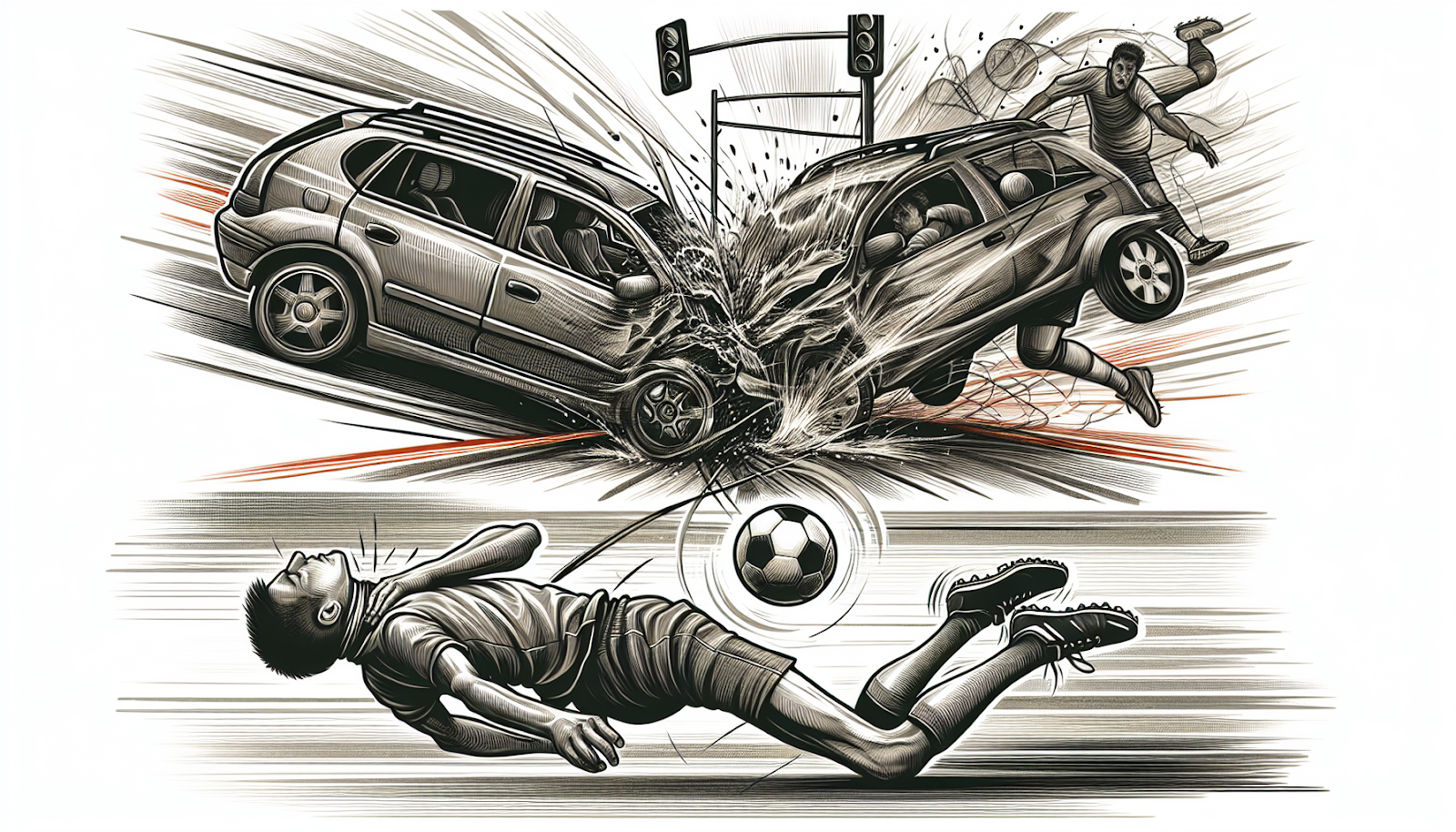
Illustration of different common causes of whiplash injuries, including car accidents and sports incidents.

The primary cause of whiplash injuries is sudden acceleration or deceleration, particularly prevalent in rear-end automobile collisions. However, whiplash can also result from other traumatic events such as sports injuries and physical assaults. Understanding these common scenarios helps in recognizing the risk factors and taking preventive measures to avoid such injuries.

Whiplash injuries can occur in various situations, from car accidents to contact sports and even physical abuse. Each scenario presents its unique challenges and contributes to the overall understanding of how these injuries occur and how they can be prevented and treated.

Car Accidents and Rear-End Collisions

Car accidents are the leading cause of whiplash, with rear-end collisions accounting for 70% of cases. Inertia forces the head to jerk violently, causing hidden soft-tissue damage. Women are statistically more vulnerable due to differences in neck strength. Because symptoms are often delayed, securing an immediate medical evaluation is vital to prevent chronic, life-changing conditions.

Sports Injuries and High-Impact Activities

Contact sports like football and boxing involve sudden, high-velocity impacts that whip the head forcefully. These sports-related whiplash injuries can trigger long-term neck pain and stiffness if neglected. Prompt chiropractic care and targeted physical therapy are essential to restore full mobility and protect an athlete’s future health.

Physical Assaults and Sudden Traumatic Falls

Whiplash can also result from physical abuse, blows, or sudden falls that subject the neck to violent acceleration. Victims often face severe physical trauma compounded by debilitating emotional distress. Securing immediate healthcare and psychological support is crucial for handling both the physical and mental aspects of personal injury recovery.

Recognizing the Signs and Symptoms of Whiplash

An illustration representing the symptoms of whiplash, including immediate and delayed symptoms.

Early recognition of whiplash symptoms is crucial. This timely identification plays a key role in effective treatment and recovery.

Common symptoms of whiplash include:

  • neck pain
  • stiffness
  • headaches
  • dizziness
  • potential cognitive difficulties

These symptoms can begin to appear within the first 24 hours after an injury but may not manifest immediately, making it important to monitor for any changes.

Delayed symptoms may include increased pain levels and cognitive difficulties, which can develop several days to weeks after the initial injury. Early diagnosis and treatment are essential to preventing the worsening of symptoms and chronic pain.

Immediate vs. Delayed Neck Pain After a Car Accident

Adrenaline can mask physical injuries immediately following a crash. While some victims feel instant stiffness, whiplash pain is frequently delayed, manifesting 24 to 48 hours after the incident as inflammation sets in.

Identifying Serious Whiplash Nerve Damage Symptoms

When a cervical disc herniates or tissue compresses local nerves, serious symptoms emerge. Watch out for shooting arm pain, persistent tingling or numbness in your fingers, and sudden muscle weakness in your hands.

The Long-Term Complications of Leaving Whiplash Untreated

Ignoring whiplash can lead to chronic complications. Untreated soft tissue damage often results in permanent neck stiffness, recurrent migraines, and accelerated spinal disc degeneration.

Contact Kohan & Bablove Injury Attorneys in Orange County today to protect your car accident claim.

How Is Whiplash Diagnosed by Medical Professionals?

Doctors diagnose whiplash through physical examinations that evaluate your neck’s range of motion, localized tenderness, and reflex responses. To check for deeper soft tissue damage, disc herniations, or bone fractures, physicians rely on diagnostic imaging such as X-rays, CT scans, or MRIs.

Medical Treatment Options for Whiplash and Cervical Strain

An illustration showing various treatment options for whiplash injuries, including chiropractic care and physical therapy.

A comprehensive care plan accelerates your recovery and provides the objective medical documentation necessary to support your car accident claim.

Professional Therapy: Chiropractic Care and Physical Therapy

Physical therapy focuses on targeted stretching and exercises to rebuild neck muscle strength and safely restore your flexibility. Chiropractors utilize precise spinal adjustments to realign joints, alleviate pressure on compressed cervical nerves, and reduce chronic stiffness.

Medications and Clinical Pain Management

Physicians frequently prescribe muscle relaxants and high-dose anti-inflammatory drugs (NSAIDs) to manage acute neck pain. In severe cases where a whipped neck causes nerve damage, localized corticosteroid injections may be utilized to directly target and calm intense tissue swelling.

Safe Whiplash Treatment at Home and Self-Care Remedies

Initial home care centers on applying ice packs for 15-minute intervals during the first 48 hours to minimize active inflammation, followed by a transition to heating pads to soothe tense, aching muscles. While rest is vital, performing light, doctor-approved neck rotations prevents the joints from locking up during recovery.

The Impact of Chronic Whiplash Syndrome on Daily Life

Illustration of the impact of whiplash on daily life activities and emotional well-being.

Chronic whiplash syndrome causes long-term disruption to a victim’s daily routine. Persistent neck pain, migraines, and restricted mobility make simple tasks like driving or working excruciating. Furthermore, this constant discomfort triggers severe sleep disturbances, fatigue, and anxiety. This debilitating condition impairs personal relationships and lowers your quality of life. Contact the dedicated legal team at Kohan & Bablove Injury Attorneys.

Preventing Whiplash Injuries: Safety Features and Vehicle Mechanics

Preventing whiplash injuries requires a proactive approach, especially when driving. Here are some essential steps to consider:

  1. Use defensive driving techniques.
  2. Maintain safe distances.
  3. Obey speed limits.
  4. Adjust your seat and headrest properly.
  5. Avoid sudden acceleration or braking.
  6. Use your seatbelt correctly.

By following these guidelines, you can significantly reduce the risk of being involved in a car accident that causes whiplash.

It is recommended to keep at least a three-second gap when following other vehicles to help prevent whiplash injuries. Additionally, adjusting the headrest to the correct height to support the back of the head can limit neck movement during a collision, thereby reducing the risk of injury.

These simple adjustments can make a significant difference in protecting yourself from whiplash.

Summary: Critical Steps to Protect Your Health and Legal Claim

To safeguard your physical well-being and maximize your future car accident claim, execute these essential steps right away:

  • Seek Prompt Medical Care: Obtain a professional evaluation within 72 hours.
  • Preserve Clear Evidence: Retain all medical records, imaging, and bills.
  • Consult Legal Counsel: Contact Kohan & Bablove Injury Attorneys immediately.

Frequently Asked Questions About Neck Injuries

What is the average recovery time for whiplash?

Most people recover within a few weeks, though severe cases can last months.

What are common causes of whiplash?

Rear-end car accidents, contact sports, slip-and-falls, and physical trauma.

What are the immediate symptoms of whiplash?

Neck pain, acute stiffness, dizziness, and headaches at the skull base.

How is whiplash diagnosed?

Through physical mobility exams and imaging tests like X-rays or MRIs.

How can whiplash injuries be prevented?

By properly adjusting your vehicle’s headrest and wearing your seatbelt.

common causes of car crashes


Car accidents are an unfortunate reality of life on the road. While no one wants to think about the possibility of being involved in a crash, understanding the most common causes of accidents can help drivers stay safe and avoid risky behaviors. In this blog, we’ll break down the top 10 most common causes of car crashes and share tips on how to prevent them.

What Is the Most Common Cause of a Collision?

The most common cause of a car collision is distracted driving. Activities like texting, checking phones, or adjusting navigation systems pull a driver’s focus completely away from the road. This lapse in attention, combined with human error, triggers significantly more traffic accidents annually than speeding or driving under the influence.

Three Primary Factors That Contribute to Vehicle Crashes

While driver inattention ranks at the top, standard car accident claims typically involve a combination of reckless behaviors. The three primary factors contributing to vehicle crashes include:

  • Distracted Driving: Texting, adjusting navigation, or eating removes a motorist’s cognitive and visual focus entirely.
  • Speeding: Exceeding the posted speed limit reduces reaction time and increases the absolute severity of the impact.
  • Impaired Driving: Operating a vehicle under the influence of alcohol, drugs, or extreme fatigue severely compromises judgment.

If negligence caused your crash, contact Kohan & Bablove Injury Attorneys in Orange County to protect your rights.

1. Distracted Driving

Texting, eating, or adjusting the radio takes your eyes off the road and drives up accident rates. Distracted driving remains a leading cause of car accidents. To stay safe, keep your full attention on driving or pull over to a safe location before using your phone.

2. Speeding

Speeding may seem like a way to get to your destination faster, but it is a significant cause of accidents. Driving at high speeds drastically reduces your reaction time to sudden traffic changes and increases crash severity. Higher speeds mean a more forceful impact and a greater potential for severe injuries. Always obey the speed limit and adjust for current road conditions. Remember, safety should always be your top priority.

3. Drunk Driving

Driving under the influence impairs judgment, slows reaction times, and is entirely preventable. Even small amounts of alcohol compromise safety. If you plan on drinking, utilize a rideshare service or designated driver to protect everyone on the road from a devastating drunk driving crash. Driving drunk puts not only your life at risk but also the lives of others on the road.

4. Weather Conditions

Rain, fog, and ice reduce visibility and traction, creating highly unpredictable hazards. Even if you’re driving carefully, poor weather conditions can be unpredictable. When driving in adverse weather conditions, ensure you slow down, maintain a safe following distance, and remain focused. If the weather is terrible, it may be best to postpone your trip or find a safe place to wait until conditions improve.

5. Reckless or Aggressive Driving

Aggressive driving behaviors such as weaving through traffic, tailgating, or cutting off other drivers can lead to accidents. Aggressive drivers often take unnecessary risks that put themselves and others in danger. Remaining calm and patient behind the wheel is vital to avoiding preventable collisions.

6. Running Red Lights or Stop Signs

Running red lights or ignoring stop signs is a dangerous behavior that leads to some of the most serious accidents. Intersections are high-risk areas, and when drivers fail to stop for traffic signals, it can result in T-bone or side-impact crashes. These types of accidents can lead to severe injuries or even fatalities. Always come to a complete stop and never rush a changing light. Staying cautious at intersections can help prevent such accidents.

7. Fatigue

Drowsy driving can be just as deadly as drunk driving. Fatigue slows your reflexes, decreases focus, and impairs judgment. Drowsy driving can be just as dangerous as drunk driving, and it’s a serious risk, especially on long road trips or late-night drives. If you feel tired during a drive, pull over immediately to rest or switch drivers rather than pushing through exhaustion. Your safety is more important than pushing through fatigue.

8. Tailgating

Tailgating, or following another vehicle too closely, is a hazardous driving behavior that often results in rear-end collisions. When you tailgate, you don’t give yourself enough time to react if the car in front of you suddenly stops or slows down. Maintain a minimum three-second following distance under normal conditions, and increase this gap during heavy traffic or poor weather to ensure adequate braking time.

9. Poor Road Conditions

Potholes, construction zones, and uncleaned road debris can cause drivers to lose control. While these hazards stem from poor infrastructure maintenance, motorists must stay vigilant. Slow down in work zones and avoid sudden swerving, which can trigger multi-vehicle pileups.

10. Inexperienced Drivers

Inexperienced drivers, particularly teenagers, are more likely to be involved in car accidents.Teens and novice motorists are highly vulnerable to collisions due to underdeveloped hazard recognition and split-second decision-making skills. Comprehensive driver’s education and extensive supervised practice are essential to preventing teen driving accidents and building confidence.

Causes of Car Accidents Statistics: What the Data Shows

Recent California traffic data reveals that human error remains the leading cause of roadway collisions. Speeding stands as the top primary factor, accounting for roughly 25% of all injury-causing crashes across the state. Furthermore, impaired driving contributes to nearly 30% of traffic fatalities. Distracted driving, particularly mobile device usage, exponentially increases these risks, proving most highway accidents are entirely preventable.

Injured in a Car Accident? Get the Legal Support You Deserve

Understanding the top causes of car crashes can help you become a safer driver and avoid unnecessary risks on the road. Distracted driving, speeding, drunk driving, and weather conditions are just a few of the factors that contribute to accidents. By staying alert, driving responsibly, and adhering to traffic laws, you can significantly reduce the likelihood of being involved in a car crash. If you’ve been involved in a car accident in Newport Beach or the surrounding areas, Kohan & Bablove Injury Attorneys is here to help. Contact us today to schedule a complimentary consultation and explore your legal options.

Request a Consultation